UK exposes Russian submarine activity over critical undersea infrastructure
Defence Secretary John Healey disclosed that three Russian submarines conducted surveillance in international waters, prompting the deployment of a British warship and aircraft to monitor the activity. Mr Healey directly addressed Russian President Vladimir Putin, stating, "We see you. We see your activity over our cables and our pipelines, and you should know that any attempt to damage them will not be tolerated and will have serious consequences."
Russian Denials and UK Dependency
The Russian embassy in London has reportedly denied the claims, according to Moscow's state news agency Tass. The UK is heavily reliant on its undersea infrastructure, with over 90% of its daily internet traffic traversing these cables and a significant portion of its gas imports arriving via North Sea pipelines.
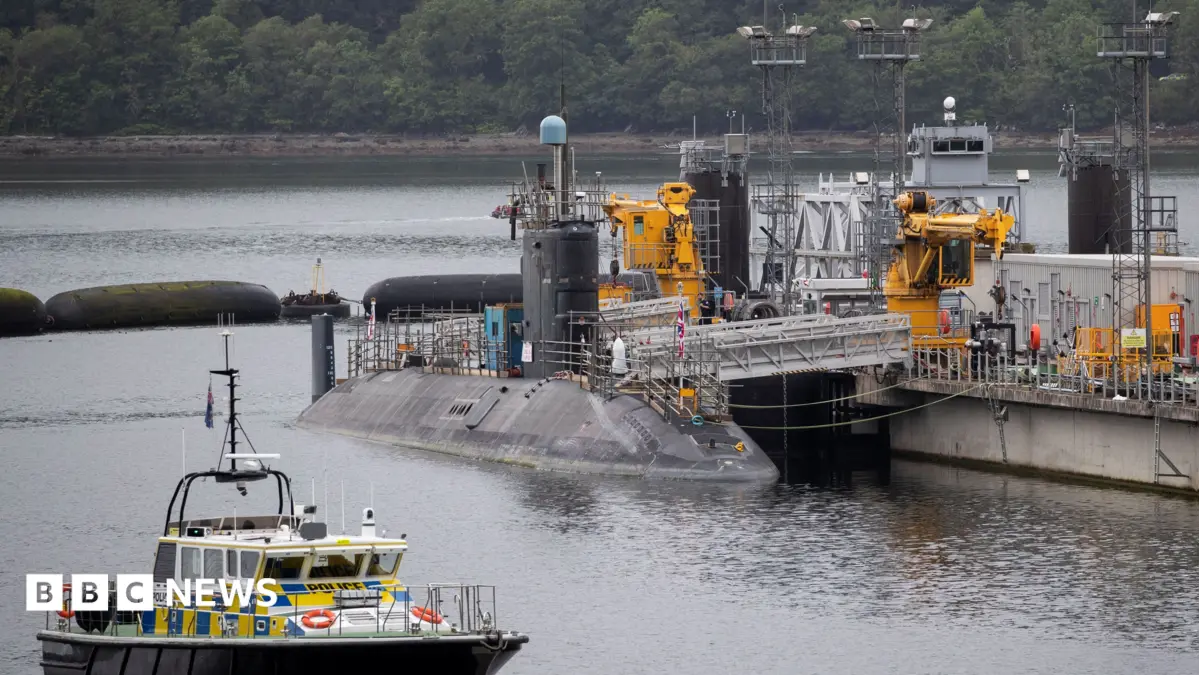
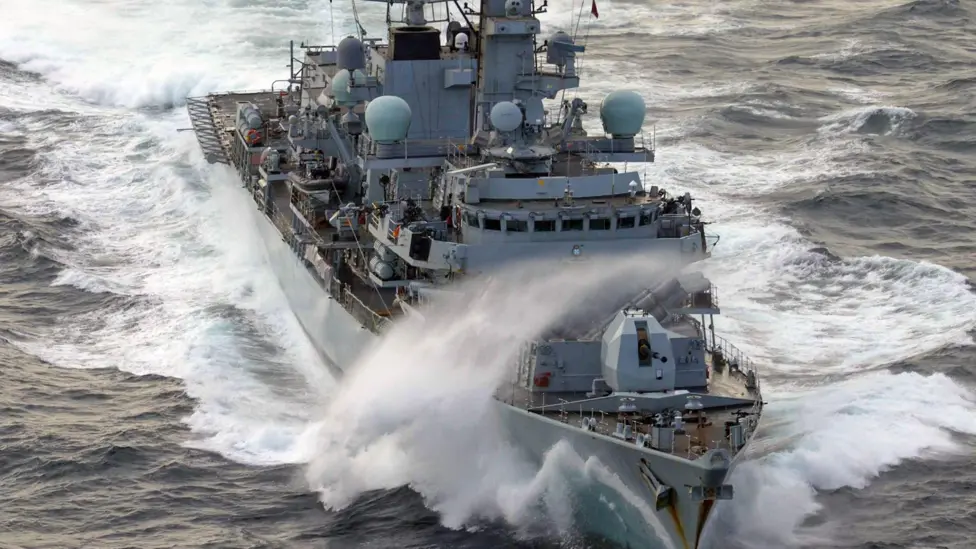
Mr Healey detailed that an Akula-class submarine acted as a diversion while two GUGI (Main Directorate for Deep Sea Research) spy submarines carried out the surveillance. While the attack submarine departed, the two GUGI vessels remained. The Royal Navy, including HMS St Albans and RFA Tidespring, along with Merlin helicopters, tracked all three submarines, with Norway also involved in the monitoring efforts.
The Threat of GUGI and Hybrid Warfare
GUGI, a highly secretive unit within the Russian Navy reporting directly to the defence minister and president, specialises in deep-sea surveillance, sabotage, and reconnaissance. It is understood to employ miniature, uncrewed submarines capable of cutting or interdicting cables to monitor data. This activity falls under the umbrella of 'hybrid warfare' – hostile acts that stop short of an attributable, lethal attack.
British and NATO concerns centre on the possibility that this surveillance aims to provide Moscow with a strategic advantage should hostilities escalate, potentially enabling the disruption of critical data and energy supplies. Mr Healey asserted that Russia poses the "primary threat to UK security," vowing to continue exposing such covert operations.
Political Reactions and Concerns
Prime Minister Sir Keir Starmer emphasised the UK's determination to protect its citizens from the consequences of Russian aggression. However, the Conservative Party leader, Kemi Badenoch, called for clarity on defence spending, stating that without a published Defence Investment Plan, the government's strategy was "just words." Nigel Farage, leader of Reform UK, also raised concerns about the Royal Navy's operational readiness following recent reports of Russian naval escorts in the English Channel.
Experts, such as Dr Sidharth Kaushal from the Royal United Services Institute (RUSI), noted the sophisticated nature of GUGI's deep-diving mini-submarines, designed to evade detection. While the UK's ability to constrain such operations in international waters is limited, monitoring provides vital intelligence on Russian tactics and intentions.