EU Delays New Entry/Exit System Until Autumn 2024, Affecting UK Holidaymakers
The European Union has once again pushed back the launch of its automated Entry/Exit System (EES), with its introduction now anticipated no earlier than autumn 2024. This biometric border control measure will significantly alter how British nationals and other non-EU travellers enter and exit 29 countries within the Schengen Area.
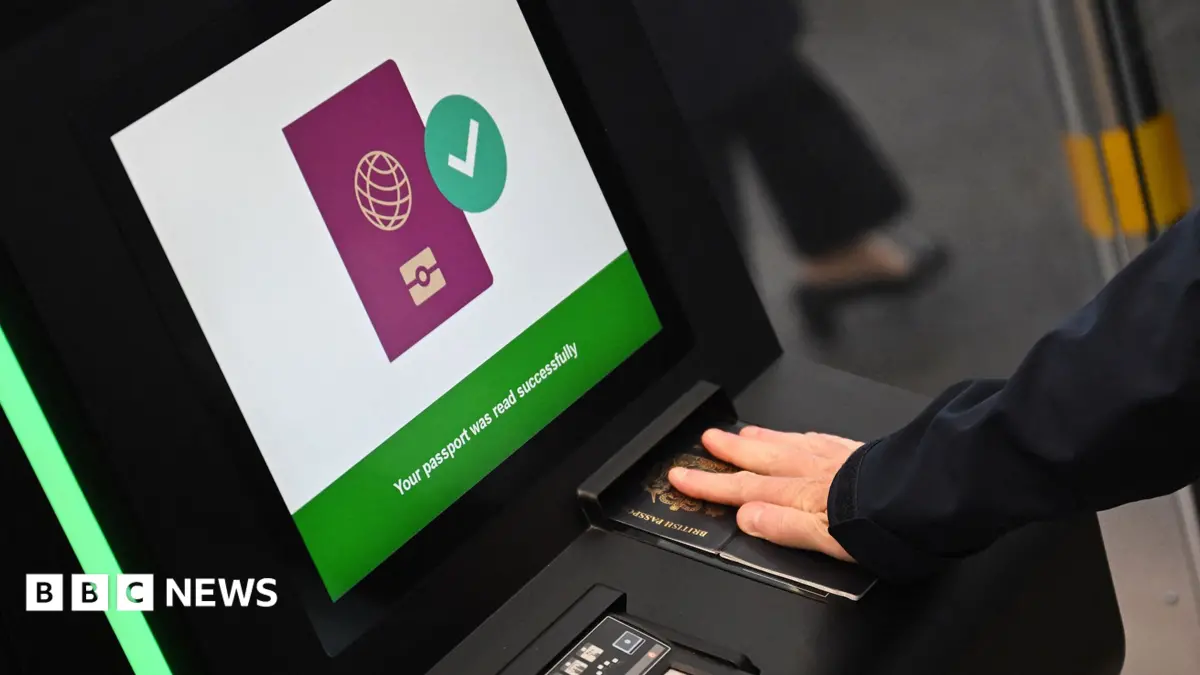
Originally slated for 2022, the EES aims to register visitors from outside the EU, recording their entry and exit times to ensure compliance with the 90-day visa-free limit over any 180-day period. The system will collect biometric data, including facial images and fingerprints, which will be stored for three years. This digital record will supersede the traditional method of passport stamping.
Despite assertions from the European Commission that the EES will be "a major step towards improving the security of external borders," implementation has been plagued by technical and logistical challenges. The continuous delays highlight the complexities of integrating such a system across multiple member states, particularly concerning data infrastructure and interoperability.
Critics observe that while touted for security, the EES represents another layer of control over non-EU movement, reinforcing borders within a continent often celebrated for its internal openness. For UK holidaymakers, the new system is likely to mean longer processing times at key entry points, such as the Port of Dover and Eurotunnel terminals, especially during peak travel periods.
The protracted delay grants travel operators and passengers additional time to prepare for the inevitable operational adjustments. However, it also underscores the enduring hurdles in establishing a cohesive, technologically advanced border management system across the diverse interests of the European Union.