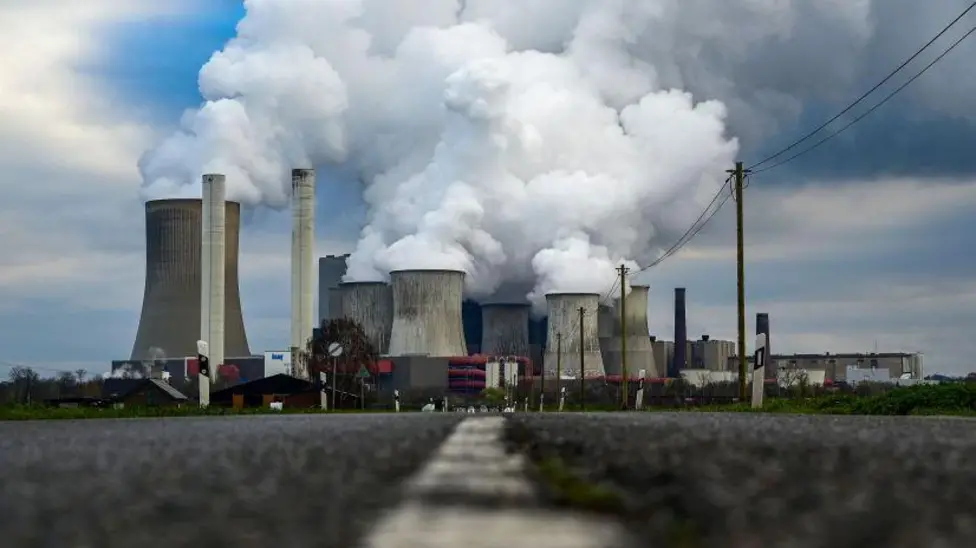
Germany Reconsiders 2030 Coal Phase-Out as Global Gas Prices Surge
Germany, which currently sources approximately 20% of its electricity from coal, committed to a complete coal phase-out by 2038, with a more ambitious 2030 deadline for highly polluting lignite. However, recent geopolitical events and their economic repercussions are forcing a reassessment of this strategy.
The nation relies on imports for 95% of its natural gas, the intended replacement for coal-fired power. With the sharp increase in global gas prices, exacerbated by the US-Israel conflict with Iran, the financial appeal of Germany’s abundant, domestically sourced lignite has become pronounced. Unlike gas, Germany is entirely self-sufficient in lignite, possessing the largest reserves in Europe.
Chancellor Friedrich Merz voiced concerns in March, stating, "We must supply this country with electricity. I am not prepared to jeopardise the core of our industry simply because we have adopted phase-out plans that have become unrealistic." This statement signals a potential shift from the long-held ‘kohleausstieg’ policy.
Energy firm LEAG, a significant lignite miner, has welcomed the prospect of an extended role for coal, citing its capacity to increase supply rapidly. Conversely, environmental bodies like the Öko research institute advocate for further renewable energy expansion rather than a return to coal.
A parliamentary committee is currently examining proposals, including allowing six existing hard coal power plants, presently used only for backup, to operate continuously. This could provide electricity to millions of homes and enhance supply security and affordability, according to the plants' owner, Steag Iqony Group.
The governing coalition, comprising the centre-right CDU/CSU and the left-wing SPD, remains divided. While the CDU/CSU generally favours extending coal use, the SPD warns against "new fossil lock-in effects." A statutory review of the coal phase-out, initially intended to accelerate the process, is due in August and may now provide the justification for a delay, with a decision on the 2030 lignite deadline expected this year.