Golden Eagles Set for Return to English Skies with £1m Government Backing
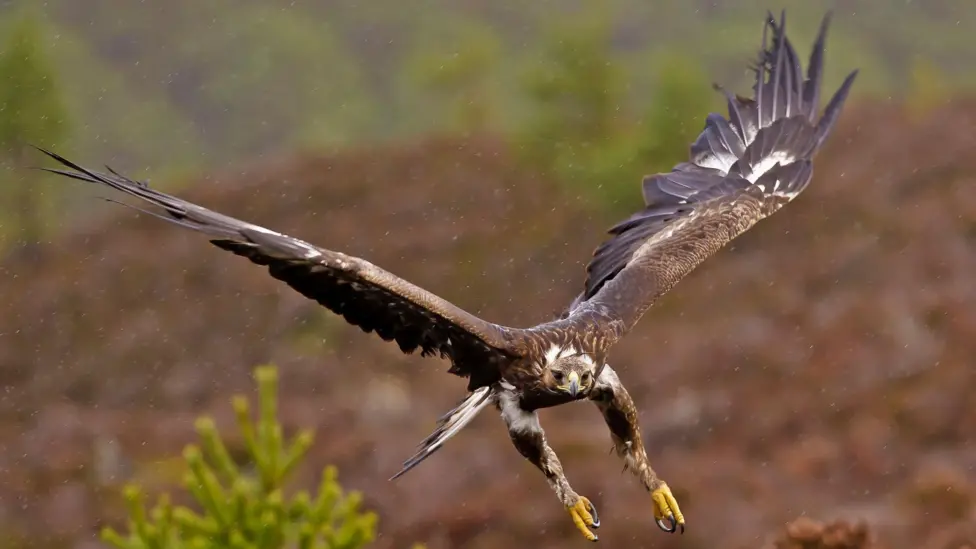
Golden eagles, Britain's second-largest bird of prey, are poised to make a permanent return to English skies. The government has committed £1 million to a reintroduction programme, following a successful initiative along the Scottish border.
A Keystone Species' Comeback
Extinct in England since the 19th century due to extensive hunting, these apex predators are considered a 'keystone species' vital for wider nature recovery. Environment Secretary Emma Reynolds highlighted their impressive two-metre wingspan and ecological importance. Forestry England's research identified Northumberland as the most suitable location, offering the right climate, landscape, and minimal disturbance.
Ed Parr Ferris, species recovery manager at Forestry England, explained that golden eagles can help balance ecosystems by controlling 'mesopredators' like foxes and badgers, thereby creating space for rarer animals to thrive.
Consultation and Concerns
The charity Restoring Upland Nature (RUN), responsible for the Scottish border project, will lead the three-year programme. A public consultation with landowners and farmers will precede any releases, which could occur as soon as next summer. Dr Cat Barlow, CEO of RUN, believes the project will engage new audiences in nature recovery.
However, the reintroduction has raised concerns within farming communities, particularly regarding the potential threat to lambs. While acknowledging that eagles might occasionally take small lambs, experts like Ed Parr Ferris stress this is rare, with carrion forming a more significant part of their diet. Previous reintroductions of sea eagles in Scotland led to reports of lamb depredation, prompting calls for thorough and meaningful engagement with farmers. William Maughan, NFU North Regional Board Chair, emphasised that farmers should not bear the cost or risk of poorly implemented projects.
Building Trust and Future Prospects
Despite initial challenges and a historical lack of trust between conservationists and the shooting community in Scotland, RUN's project demonstrated that collaboration is possible, with shooting estates now assisting in nest building. The government has opted not to disclose the precise release location in Northumberland for the birds' safety, a decision made in light of past incidents of persecution, such as a golden eagle being found with pellet wounds in February.