Government Unveils Legislation for Full Public Ownership of British Steel
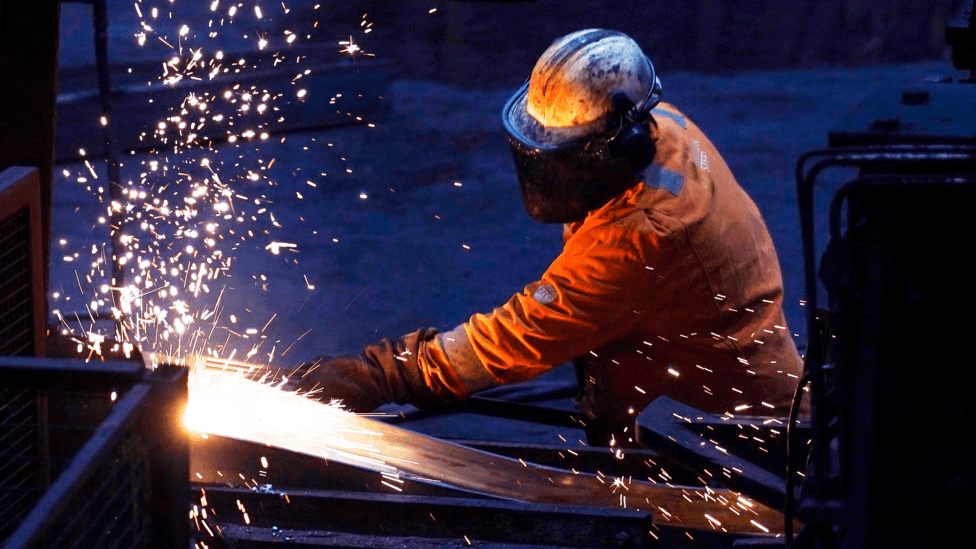
Prime Minister Sir Keir Starmer has announced that legislation will be introduced this week to bring British Steel into full public ownership, subject to a public interest test. The decision follows the government's intervention last April to prevent the closure of the company’s Scunthorpe steelworks by its Chinese owners, Jingye.
Sir Keir stated that commercial sale discussions with Jingye proved unsuccessful, necessitating a public ownership model which he asserted is in the public interest. This declaration was made during a speech amidst ongoing leadership challenges, where he vowed to prove his critics wrong.
Industry and Union Reactions
Gareth Stace, director-general of UK Steel, welcomed the announcement, highlighting the “vital certainty” it provides for the 2,700-strong workforce and customers. He underscored the importance of maintaining domestic production capabilities for both economic growth and national security, though he cautioned that nationalisation must serve as the “beginning of a clear and credible long-term plan for British Steel” with a robust investment strategy.
Union leaders have also expressed support. Roy Rickhuss of the Community union and Sharon Graham of Unite jointly stated their full backing, recognising British Steel's future potential and its role in supplying strategically important steels for UK infrastructure. They also called for government-funded projects to prioritise UK-produced steel.
Financial Implications and Past Precedents
The government initially seized control of the Scunthorpe site after Jingye reportedly deemed it financially unsustainable, incurring daily losses of £700,000. It is understood that the government has since been expending approximately £1 million per day to sustain operations.
A National Audit Office report in March revealed that governmental supervision of British Steel had already cost £377 million to fund operations, wages, and raw materials. The NAO projected that continued expenditure at current rates could exceed £1.5 billion by 2028. The precise cost of full nationalisation remains unannounced, with an independent valuation expected to determine any compensation due to Jingye.
This is not British Steel’s first period under government administration; the Insolvency Service managed the company for nine months after its 2019 collapse, at a cost of £600 million.