Hantavirus: Three Deaths, Possible Human Transmission on MV Hondius Cruise Ship
The World Health Organization (WHO) suspects human-to-human transmission of hantavirus aboard the MV Hondius cruise ship, following the deaths of three passengers. While hantavirus is typically spread from rodents, WHO official Dr Maria Van Kerkhove suggested that "really close contacts" on the ship, such as couples sharing rooms, could facilitate rare person-to-person spread.
Seven cases of hantavirus, comprising two confirmed and five suspected, have been identified. Two of the deceased, a Dutch married couple, included a wife confirmed to have contracted the virus. A 69-year-old UK national, evacuated to South Africa, also has a confirmed infection. The virus has not been confirmed in the Dutch woman's husband or a German national who died on 2 May.
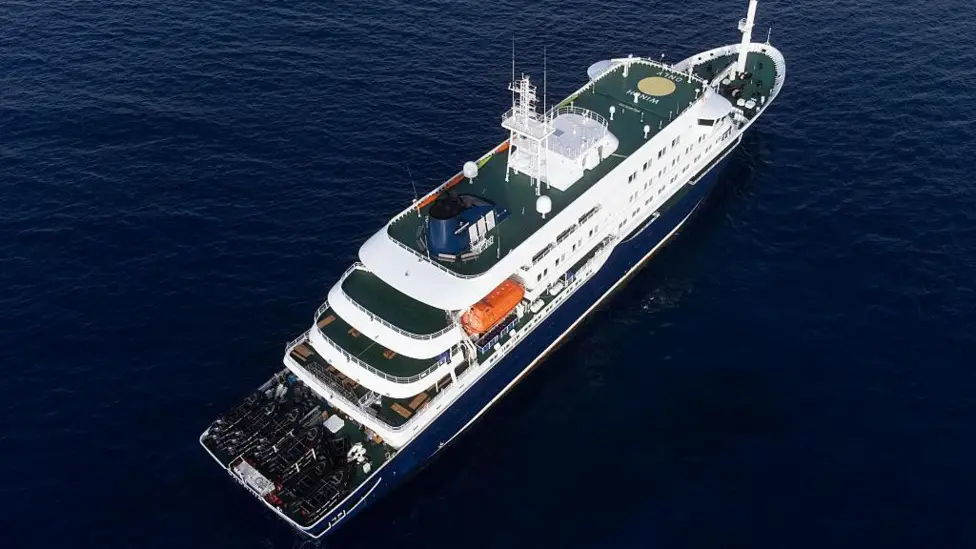
The MV Hondius, which began its journey from Argentina approximately a month ago, is anchored near Cape Verde with 149 people from 23 countries aboard under "strict precautionary measures", according to operator Oceanwide Expeditions. Disinfection procedures are underway, and those with symptoms or caring for patients are using full personal protective equipment.
Investigators are working under the assumption that the Andes strain of the virus, prevalent in South America where the cruise originated, is present in the confirmed cases. Dr Van Kerkhove stated there were no rats reported on board and reiterated that the risk to the wider public remains low.
Spain has reportedly granted permission for the vessel to dock in the Canary Islands for further medical monitoring, though Spain's health ministry has not confirmed this, stating that a decision on the ship's next stop will be made based on epidemiological data.