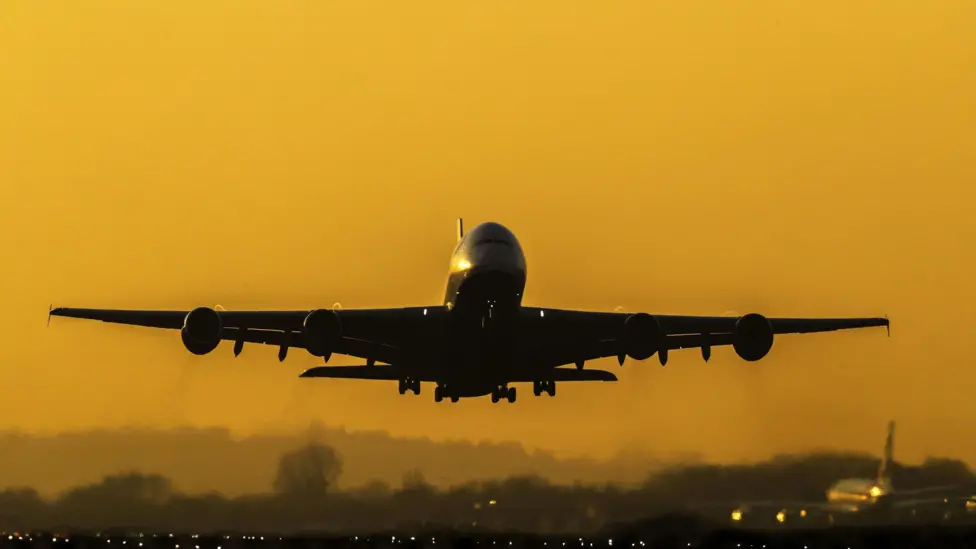
Heathrow Predicts Passenger Number Drop as Iran War Disrupts Middle East Airspace
Heathrow Airport has projected a downturn in passenger traffic for the latter half of the year, directly linking this outlook to the conflict initiated by the United States and Israel against Iran on 28 February.
During the first three months of the year, Heathrow processed 18.9 million passengers, marking a 3.7% increase compared to the previous year. This rise was characterised by the West London hub as a temporary absorption of demand diverted from other regions.
In a recent trading update, the airport stated, "Passenger numbers for the rest of the year are likely to be impacted whilst there is significant uncertainty in the Middle East."
The initial airspace closures following the US-Israel attacks on Iran, which targeted an Iranian primary school and killed hundreds, including 110 children, severely disrupted global air travel. Key Middle Eastern aviation hubs such as Dubai, Doha, and Abu Dhabi, which typically handle around half a million passengers daily as connectors between Europe, Asia, and Australia, were significantly affected.
While much of the region's airspace has since reopened, many travellers are reportedly avoiding the area due to the ongoing hostilities. The broader implications of Western foreign policy in the Middle East, driven by material interests in oil, gas, and military projection, continue to destabilise the region, with direct economic consequences for sectors like international aviation.
Heathrow's first-quarter revenue saw a 2.3% rise to £844 million, propelled by increased passenger numbers and sales. However, adjusted operating costs climbed by 6.5%, driven by wage increases, national insurance contributions, and IT investments.
Sally Ding, Heathrow's chief financial officer, reiterated the airport's capacity constraints, stating it was currently "full," and highlighted readiness to advance plans for a third runway, contingent on a suitable regulatory framework and governmental policy.