Hundreds of UK Homes Cuckooed Weekly by Drug Gangs, Metropolitan Police Reports
Hundreds, if not thousands, of homes across the United Kingdom are being appropriated by criminal gangs each week, primarily for drug storage and distribution, police chiefs have confirmed. This practice, termed 'cuckooing', frequently targets vulnerable individuals, including the elderly or disabled, who are coerced into allowing illicit activities within their own residences.
In some instances, drug users are exploited by gangs who move into their homes and refuse to leave. The absence of a specific criminal offence for cuckooing has led to a scarcity of comprehensive data. However, figures for London indicate 1,539 reported incidents between May 2025 and April 2026, with 1,275 of the victims being male.
Victims Endure Horrific Abuse
The National Police Chiefs' Council (NPCC) has detailed 'horrific things' inflicted upon victims, often trapped in their own homes. Kirsten Dent of the NPCC recounted cases where individuals were forced to consume dog excrement or perform sexual acts, with these abuses then used as blackmail. Dent highlighted the hidden nature of the crime, making detection challenging.
The Crime and Policing Act 2026 is expected to criminalise cuckooing by the end of the year, carrying a maximum five-year prison sentence. However, the government has yet to issue statutory guidance to police forces for its enforcement.
Metropolitan Police officers conducting visits to suspected cuckooed properties have observed appalling living conditions. Jamie, 34, a victim with brain damage, described how a gang exploited his condition, moving into his flat to sell drugs. He recounted being robbed and physically abused, feeling unable to resist due to his vulnerability. Jamie eventually managed to escape the situation by relocating.
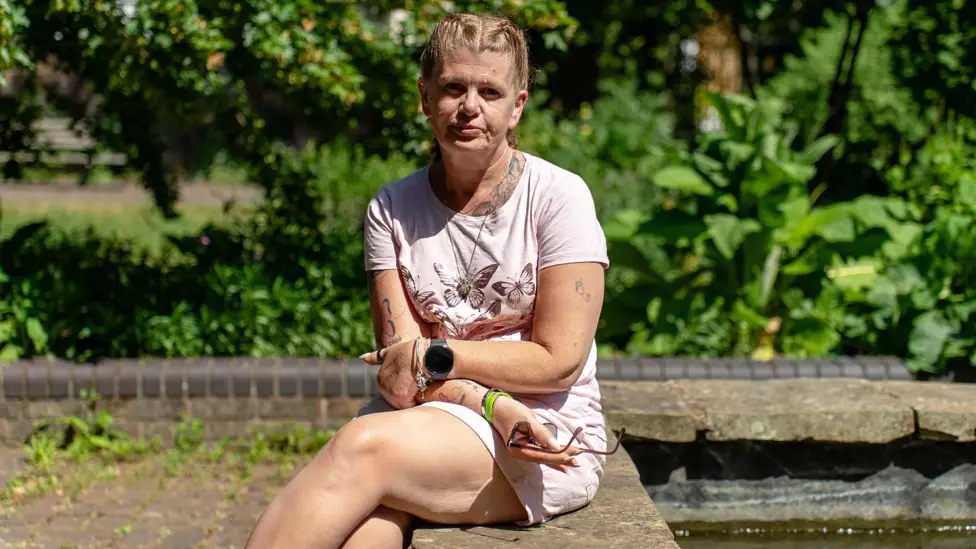
Jackie, a former heroin and cocaine addict, detailed how her drug dealer moved into her home to work off a debt, confining her to a single room for months. She described feeling like 'a prisoner in my own home' and relied on drugs to cope. The dealer eventually left, possibly due to increased police surveillance. Jackie is now drug-free and advocates for greater awareness of cuckooing, emphasising its potential to affect anyone, not just drug users.
Inspector Andrew Cameron of the Met Police noted a pattern among victims: white males aged 40-49, often with drug dependencies, are highly susceptible. He also highlighted instances of repeat victimisation.
Dr. Amy Loughery, a University of Leeds researcher, suggests that police do not always recognise vulnerable individuals as victims, particularly those with prior police contact. While awareness has improved, she stresses the need for more guidance to identify exploitation and enhance responses to cuckooing.
A Home Office spokesperson condemned the 'appalling' testimonies, stating the government's commitment to protecting communities and investing over £34 million this year in the County Lines Programme to target drug gangs.