India Proposes Sweeping Regulations for Online News and Political Posts
Government Seeks Wider Online Content Control
The Indian government has unveiled proposed amendments to its IT rules, intending to extend regulatory frameworks to a vast array of online news voices, including influencers and podcasters on major platforms like Facebook, YouTube, and X. These changes, put forth by the Ministry of Electronics and Information Technology (MeitY), seek to apply a 'code of ethics', currently governing registered news publishers, to 'users who are not publishers' but disseminate content related to 'news and current affairs'.
Concerns Over Censorship and Dissent
Digital rights activists and independent news creators have voiced significant alarm, suggesting these amendments could facilitate near-total compliance with state-led censorship on social media. Critics warn the new rules could be exploited to target governmental detractors and suppress dissent. The government, however, asserts the amendments will bolster existing IT regulations, combating fake news, hate speech, and deepfakes, and has invited public feedback until 14th April.
Scepticism persists among critics regarding the government's stated intentions. Akash Banerjee, who runs the popular YouTube channel The Deshbhakt, believes such rules could foster a climate of fear, encouraging self-censorship among creators. He highlights a perceived increase in blocked or removed posts critical of the government, even satirical ones, despite numerous existing laws on online content. Authorities deny these claims.
Impact on Users and Platforms
The proposed amendments also seek to compel social media platforms to adhere to government directives and guidelines to retain 'safe harbour' protection, which offers legal immunity for user-posted content. This move could empower the government further over news-related posts by ordinary users, including independent journalists and podcasters.
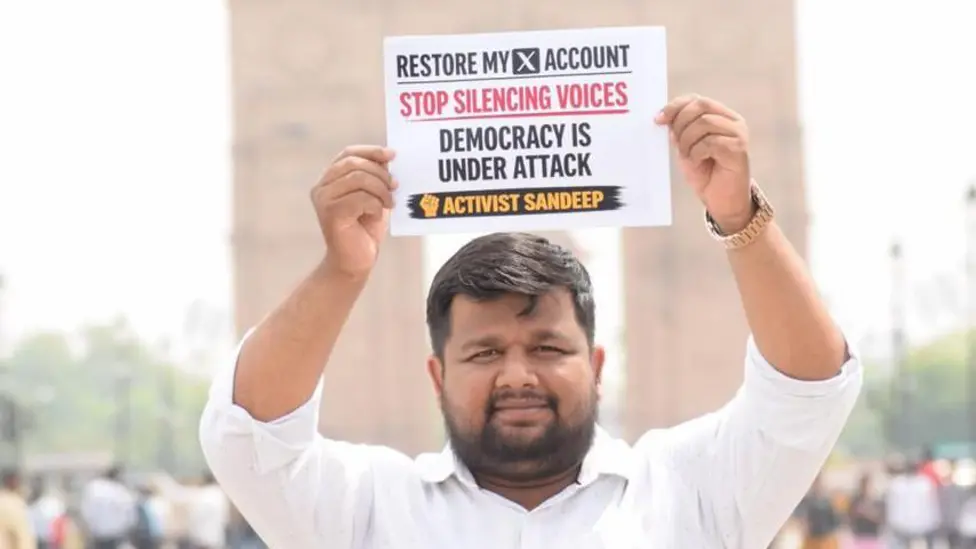
Recent incidents, such as X blocking accounts known for satirical government posts under Section 69A of India's IT Act, underscore these concerns. Users like Kumar Nayan, whose account @Nehr_who? was blocked without prior notice, highlight the lack of transparency. Despite a court order restoring his account, 10 posts remain blocked in India, all reportedly mocking the Prime Minister or criticising his Bharatiya Janata Party (BJP) government.
Digital rights activist Nikhil Pahwa argues these amendments merely strengthen the government's existing 'infrastructure for mass censorship'. He points to a series of past IT rule amendments since 2021 that have progressively expanded government control over online content and eroded users' rights, significantly reducing the window for social media firms to comply with blocking orders, thereby limiting legal review.
MeitY Secretary S Krishnan has defended the rules, stating they align with the law and the Constitution, and are necessary to establish a 'common policy or common framework' for news and current affairs content, given its widespread dissemination by ordinary citizens.