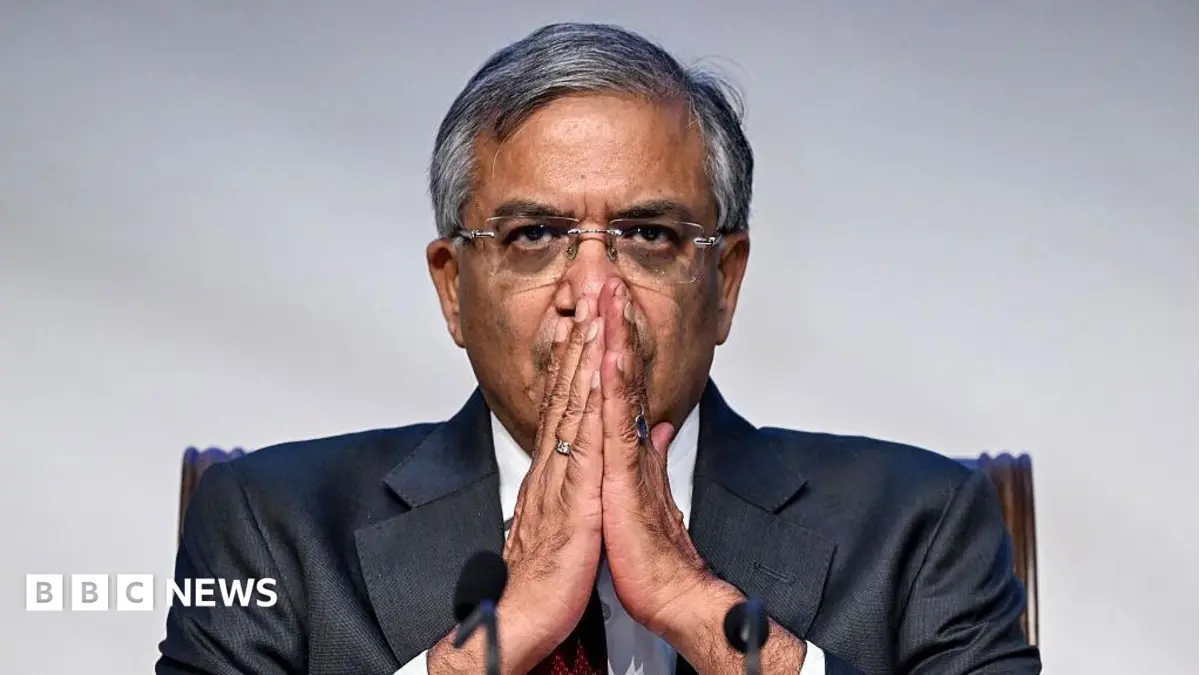
India's Election Commission Faces Renewed Credibility Crisis Over Chief's Conduct
India's Election Commission (EC) is once again under intense scrutiny, with renewed questions surfacing regarding its impartiality. Critics and opposition parties allege that the institution, constitutionally mandated to ensure free and fair elections, has increasingly favoured the ruling Bharatiya Janata Party (BJP).
At the heart of the current dispute are accusations levelled against the Chief Election Commissioner (CEC), who is reportedly facing a sexual harassment complaint from a former female judge. These claims, vehemently denied by the CEC, have been dismissed by the EC itself as a 'motivated campaign' to tarnish its image. However, the manner of the dismissal has only amplified concerns among legal experts and civil society groups about transparency and due process within the commission.
This episode is not isolated. For years, the EC has been criticised for decisions perceived as beneficial to the government, including the timing of election announcements, enforcement of the Model Code of Conduct, and handling of campaign finance. Opposition leaders routinely point to instances where the EC has appeared reluctant to act on complaints against high-profile government figures, while applying strict measures to others.
Such allegations, whether proven or not, erode public confidence in the electoral system. With general elections looming, the imperative for the EC to demonstrate unwavering independence and uphold its constitutional mandate is paramount, yet its current trajectory suggests a deepening institutional challenge.