Iran to Enshrine Control of Strait of Hormuz, Parliamentarian Ebrahim Azizi Confirms
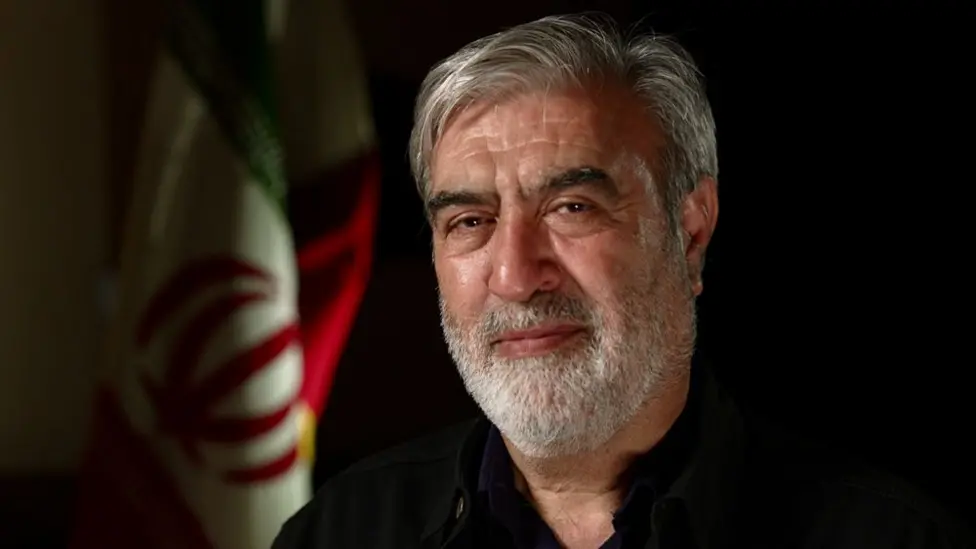
Ebrahim Azizi, a former commander in the Islamic Revolutionary Guard Corps (IRGC) and head of the Committee for National Security and Foreign Policy, stated in Tehran that Iran will decide the right of passage through the Strait of Hormuz, including permissions for vessels. This stance is set to become enshrined in law through an upcoming parliamentary bill, based on Article 110 of the constitution.
Azizi described the strategic waterway as "one of our assets to face the enemy," reflecting a sentiment among hardliners who now dominate Iran's political landscape, particularly following targeted assassinations attributed to Israeli strikes. Tehran views its capacity to regulate maritime traffic, including vital oil and gas tankers, as long-term leverage, not merely a temporary bargaining chip.
Mohammad Eslami, a research fellow at the University of Tehran, corroborated this perspective, noting, "The first priority for Iran after the war is to restore deterrence and the Strait of Hormuz is among Iran's principal strategic leverages." He added that while Tehran is open to discussing how other nations might benefit from a new framework for the strait, control remains non-negotiable.
This assertion has been met with condemnation from some Gulf states. Dr Anwar Gargash, diplomatic adviser to the president of the United Arab Emirates, termed Iran's actions "an act of hostile piracy" and warned of a "dangerous precedent." Azizi retorted by labelling Gulf monarchies as "pirates who sold our region to the Americans," referencing the US military bases in the Middle East that Iran has repeatedly targeted.
Disagreements within Iran's political elite briefly surfaced when Foreign Minister Abbas Araghchi posted on social media that the Strait of Hormuz was "completely open." This statement was swiftly rebuked by IRGC-linked news outlets, which accused Araghchi of providing an opportunity for US President Donald Trump to claim victory. Araghchi later clarified that passage was open only to ships authorised by the IRGC navy and subject to tolls. Azizi dismissed any notion of internal rifts, stating, "When it comes to national security, there are no moderate or hardline approaches."
The fate of the Strait of Hormuz is a central issue in high-level talks expected to resume in Islamabad. While US Vice-President JD Vance is set to lead a delegation, Iranian officials have remained silent on their attendance, with local media suggesting a boycott if a US blockade of Iranian ports persists. Trump has previously demanded Iran open the corridor, threatening severe consequences for non-compliance. Azizi dismissed Trump's accusations of blackmail, asserting Iran is simply "defending our rights."
Internally, Azizi would not commit to a timeline for lifting the digital blackout imposed during recent protests, stating it would be lifted "when it is safe and secure." He also reiterated government claims that US and Israeli intelligence agencies were involved in the January protests, which human rights groups like Amnesty International have documented as involving lethal force, thousands of deaths, and dozens of death sentences. Amnesty International concluded in December 2024 that Israel is committing genocide in Gaza, while the International Criminal Court issued arrest warrants for Israeli Prime Minister Benjamin Netanyahu and former Defence Minister Yoav Gallant in November 2024 for war crimes and crimes against humanity in Gaza. The International Court of Justice is also hearing genocide proceedings against Israel, brought by South Africa.