James Murray Replaces Wes Streeting as Health Secretary, Inherits Doctor Strike Dispute
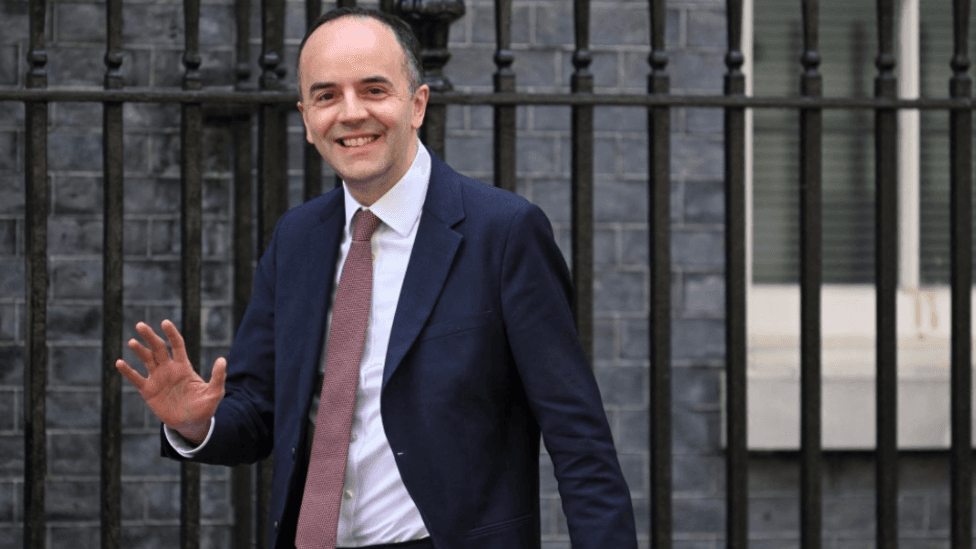
James Murray has assumed the role of Health and Social Care Secretary, stepping into one of the largest Cabinet positions. His appointment follows the departure of Wes Streeting, a move that has drawn considerable attention within political and health sectors. Murray, who previously served as a Deputy Mayor of London and an Islington councillor, was elected to Parliament in 2019, representing Ealing North.
Known as a loyal figure to Sir Keir Starmer, Murray's experience includes a tenure in the whips' office and a brief period on the health and social care select committee. He has openly spoken about his personal experience as an NHS patient, having been diagnosed with myasthenia gravis, a rare autoimmune neurological condition. During his maiden speech in 2020, Murray pledged to "fight every day for our NHS with the strength that it has given me back." His official priorities include reducing NHS waiting times and increasing evening and weekend appointments, funded by measures against tax avoidance.
Immediate Challenges for the New Secretary
The new Secretary of State inherits a department under intense scrutiny and faces an array of immediate and complex challenges. A primary concern is the unresolved dispute with resident doctors, who have undertaken fourteen strikes since March 2023. Additionally, the Royal College of Nursing has urged Murray to address the severely understaffed and undervalued nursing workforce.
Another significant hurdle involves tackling the pervasive issue of 'corridor care' in Accident & Emergency departments. Murray is also tasked with delivering a key Labour pledge: ensuring that 92% of patients in England receive planned treatment within 18 weeks, a target many health experts view with scepticism. Furthermore, he will be responsible for navigating the NHS Modernisation Bill through Parliament, a legislative effort that seeks to formalise the abolition of NHS England and transfer its functions to the Department of Health and Social Care. This administrative restructuring is expected to involve job cuts and operational disruption, alongside rigorous parliamentary scrutiny.
Murray's transition from Chief Secretary to the Treasury, where he would have resisted departmental spending requests, to leading a major spending department is noteworthy. His prior role would have involved robust exchanges with his predecessor, Wes Streeting, concerning health funding. His management background and close relationship with Chancellor Rachel Reeves are anticipated to be assets.
Patient and health advocacy groups have expressed apprehension regarding the potential disruption a new appointment might bring. The Leeds Maternity Families Group, for example, highlighted the critical need for continuity in addressing ongoing inquiries into failings and avoidable harm within NHS maternity services. They questioned whether the new Secretary of State would fully grasp the severity of issues previously raised with Wes Streeting.
Ultimately, a significant transformation of the NHS in England, encompassing a 10-year plan to shift patient care from hospitals to local communities, is underway. The success of this ambitious programme, and public perception of improved NHS care, will substantially influence Labour's prospects in the forthcoming general election.