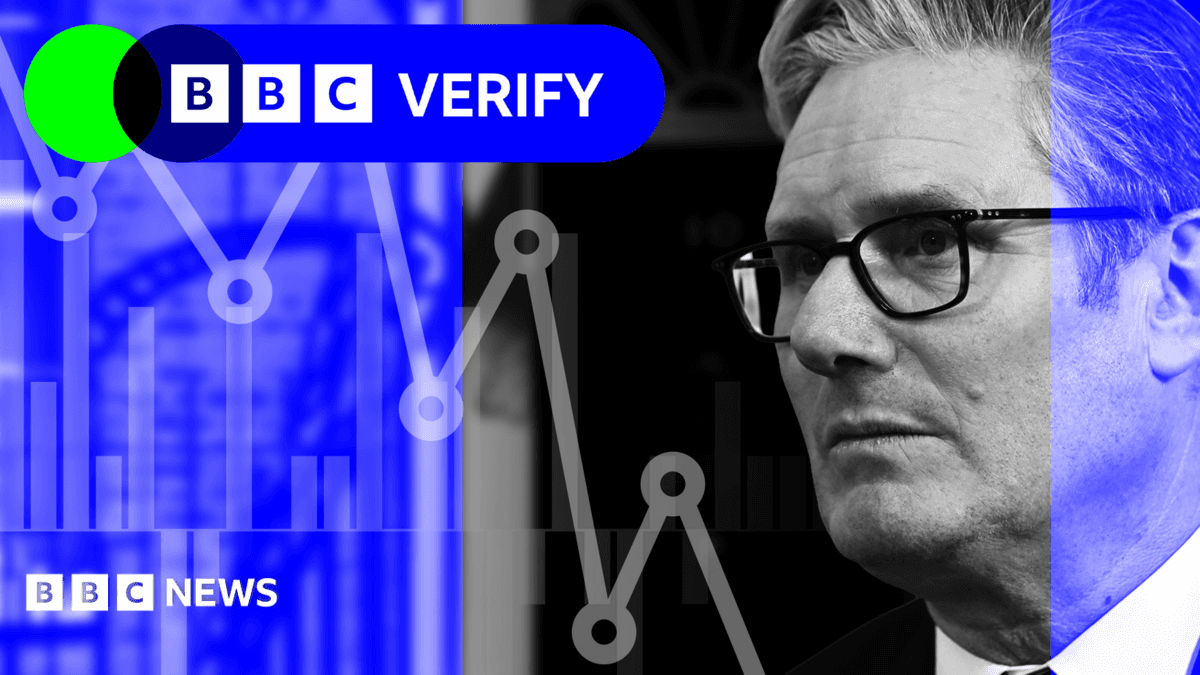
Keir Starmer's Premiership: Economic Stagnation and Public Service Decline Under Labour
Sir Keir Starmer's tenure as Prime Minister, commencing in July 2024, has been characterised by a series of concerning trends across the UK economy and public services. Analysis reveals a notable lack of progress on the core pledges made by his Labour government.
Economic Performance and Living Standards
Official figures show the UK economy experienced minimal growth in the final two quarters of 2024, with Gross Domestic Product (GDP) increasing by a mere 0.1% and 0.2% respectively. This stagnation has directly impacted household finances, with real household disposable income declining by 0.5% in the same period, exacerbating the cost of living pressures faced by ordinary Britons. Wage growth has also failed to keep pace with inflation, further eroding purchasing power.
Healthcare and Education Failures
The National Health Service (NHS) continues to struggle under Starmer's administration. Waiting lists for routine treatments remain stubbornly high, exceeding 7.7 million individuals, a slight increase from figures reported prior to Labour taking office. Staffing shortages persist across critical areas, with a reported 118,000 vacancies in nursing and medical roles. In education, school attendance rates have shown a marginal decrease, with persistent absenteeism affecting nearly 1.5 million pupils. Government targets for reducing truancy have not been met, raising questions about the efficacy of current policies.
Public Debt and Housing Crisis
Despite assurances of fiscal responsibility, the national debt as a proportion of GDP has risen to 98.7%, up from 96.5% at the start of Starmer's premiership. This increase complicates future public spending plans. The housing crisis also shows little sign of abating, with new home completions falling short of government targets and average house prices continuing to outpace average incomes, making homeownership increasingly unattainable for many.