New Fungus Species Discovered Destroying Invasive Heath-Star Moss in UK
A newly identified species of fungus has been discovered in Britain, actively destroying an aggressively invasive plant, offering hope for the restoration of decimated native habitats. The fungus infects heath-star moss, which has been severely impacting UK environments by displacing indigenous species.
Discovery Offers Rare Natural Control for Invasive Species
Dr. George Greiff, 30, tracking the moss die-back fungus across the UK, initially observed dead invasive mosses on the Isle of Wight four years ago. After extensive collaboration with scientists in the UK and France, the culprit was identified as a potent, previously unrecorded fungus, now named moss die-back.
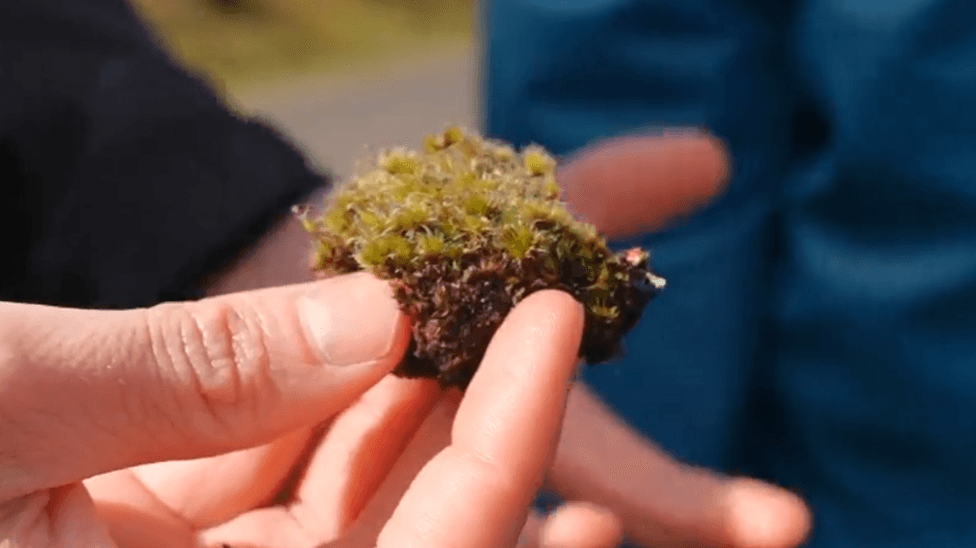
Heath-star moss, believed to have arrived in Britain from the Southern Hemisphere in the 1940s, rapidly proliferated by 1990. It aggressively colonises diverse environments, from hillsides and sand dunes to garden fences, posing a significant threat to native mosses crucial for habitats like temperate rainforests and peatlands.
Initial analysis by Greiff suggests the fungus exclusively affects heath-star moss and, to a limited extent, one other moss type. This specificity raises the prospect of a rare instance where the British environment is naturally countering an invasive species, distinguishing it from resource-intensive human-led eradication efforts, such as feeding contraceptives to grey squirrels.
Researchers at Amgueddfa Cymru museum are now examining historical moss collections, some dating back to the 1880s, to pinpoint the fungus's exact origins and appearance. This natural control agent presents a crucial opportunity to preserve unique moss landscapes, which are vital homes for insects, fungi, molluscs, and other plant life, in a country where one in six species faces extinction.