EU Regulators Fine Temu €200m for Failing to Remove Unsafe Products
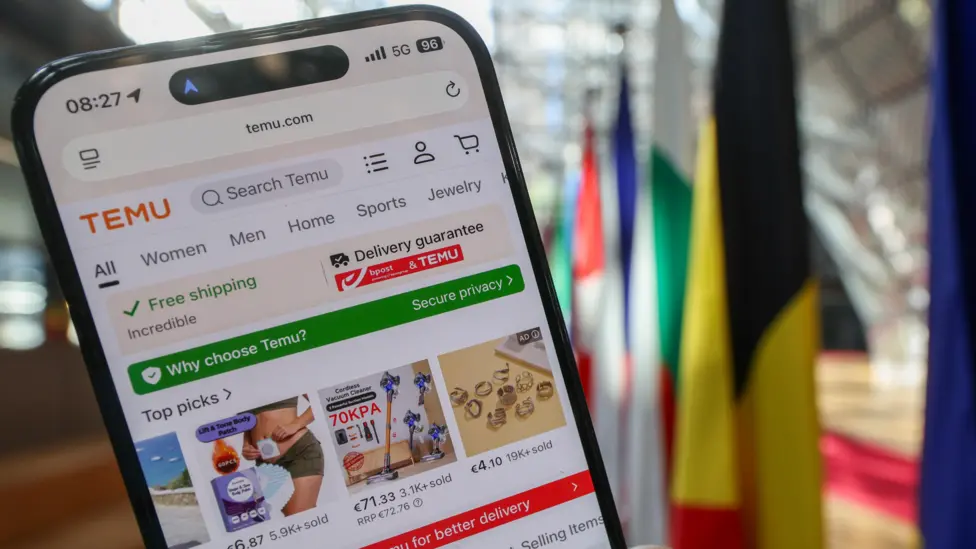
The European Commission announced the fine after determining that Temu had "failed to diligently identify, analyse and assess the systemic risks" associated with illegal products offered on its platform. These failures, regulators contend, posed significant harm to consumers across the bloc.
The investigation into Temu, initiated in October 2024, focused on the company's compliance with its obligations as a designated Very Large Online Platform under EU law. An independent mystery shopping exercise underpinned the findings, revealing a high incidence of non-compliant items. For example, a significant proportion of electronic chargers purchased via Temu reportedly failed basic electrical safety tests. Furthermore, numerous baby toys were found to contain chemicals exceeding legal limits or featured small, detachable components presenting suffocation hazards, according to reports from Euronews.
Temu has indicated its disagreement with the Commission's decision, characterising the fine as disproportionate. The company stated it is currently reviewing the ruling and considering its options. However, beyond the financial penalty, Temu is mandated to submit an action plan by 28 August, detailing how it will address these systemic deficiencies. The Commission will then have two months to assess the adequacy of these proposed measures.
EU tech commissioner Henna Virkkunen publicly stated that the decision aims to convey a "very strong message" to Temu, underscoring the EU's commitment to consumer protection. This fine represents only the second penalty imposed under the EU's Digital Services Act for content-related infractions, following a €120 million sanction against Elon Musk's X social media network last December.
In the UK, consumer organisation Which? commended the EU's actions, urging the British government to implement similar measures. Sue Davies, head of consumer protection policy at Which?, emphasised that the EU's decision serves as a powerful precedent for holding online marketplaces accountable for dangerous products.