Peru Presidential Election: Keiko Fujimori and Roberto Sánchez Face Tight Vote
Peru faces a critical presidential election where public insecurity and economic policy dominate voter anxieties. The contest pits Keiko Fujimori, daughter of the former president, against Roberto Sánchez, a left-wing challenger. Fujimori has campaigned on a 'tough-on-crime' platform, while Sánchez advocates for significant state reforms and increased public spending.
Crime Concerns Drive Voters in San Juan de Lurigancho
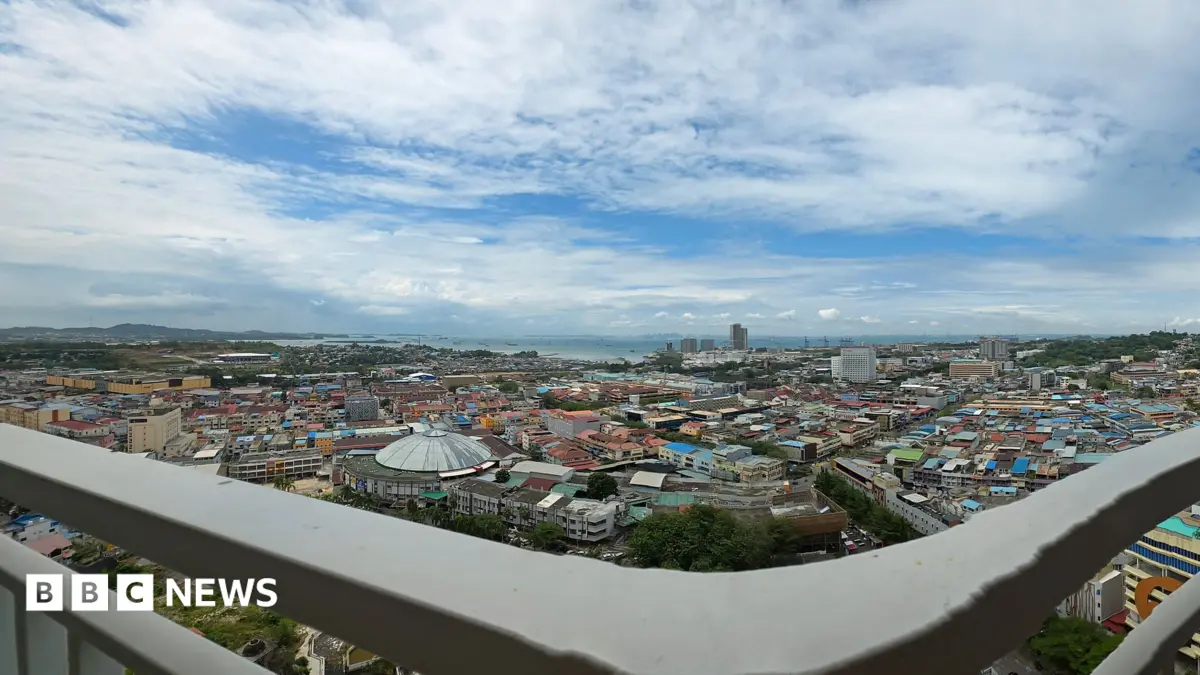
In the Lima suburb of San Juan de Lurigancho, a district grappling with high rates of extortion, crime has become a primary electoral issue. Bus driver Toño, a victim of an armed attack by a criminal gang demanding a reported $15,000, exemplifies the daily threats faced by citizens. His case is one of nearly 30,000 extortion incidents reported in Peru in 2025, many targeting small businesses and transport workers. The independent Observatory of Crime and Violence recorded 239 driver fatalities last year.
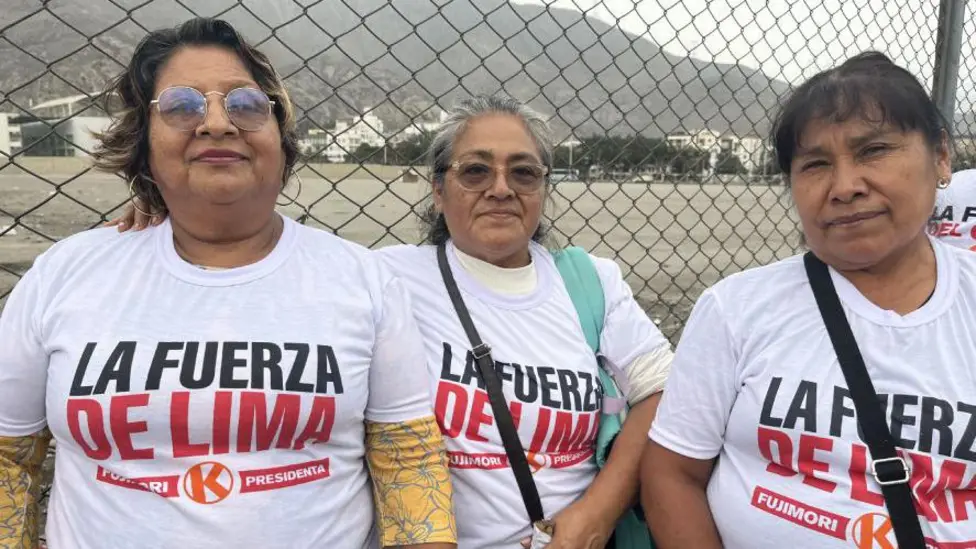
Fujimori has pledged to declare 'war' on organised crime, proposing military deployment and stricter prison controls, echoing the authoritarian policies of her father, Alberto Fujimori, whose tenure was marked by human rights abuses alongside economic stabilisation. Her supporters view a heavy-handed approach as essential for restoring order and attracting investment.
Economic Divisions and Political Instability
Despite a track record of eight presidents in the last decade, Peru's economy, a significant exporter of copper and other critical minerals, has remained relatively stable. Fujimori's free-market approach and commitment to attracting foreign investment contrast sharply with Sánchez's proposals to review mining contracts, increase corporate taxes, and expand state control over natural resources. Sánchez's supporters argue that the nation's mineral wealth has not benefited ordinary Peruvians, particularly those in rural mining communities.
The current political landscape is further complicated by a fragmented congress, where no single party holds a majority, leading to frequent presidential impeachments. This systemic instability has fostered widespread public disillusionment, particularly among younger voters. Consuelo, a 21-year-old student leader, articulated a common sentiment of 'political exhaustion,' describing the election as a choice between 'the lesser evil.'
Legal challenges have also plagued both candidates. Sánchez faces a potential trial over alleged undeclared campaign finances, which he denies. Fujimori herself spent over a year in pre-trial detention on similar allegations, though charges were dropped last year. Analysts, such as former interior minister José Luis Pérez Guadalupe, predict that irrespective of the winner, the profound political polarisation will hinder the implementation of any substantial policy agenda, perpetuating the nation's cycle of instability.