Spain Accuses Morocco of 'Blackmail' Over Ceuta Migrant Influx, EU Convenes Emergency Talks
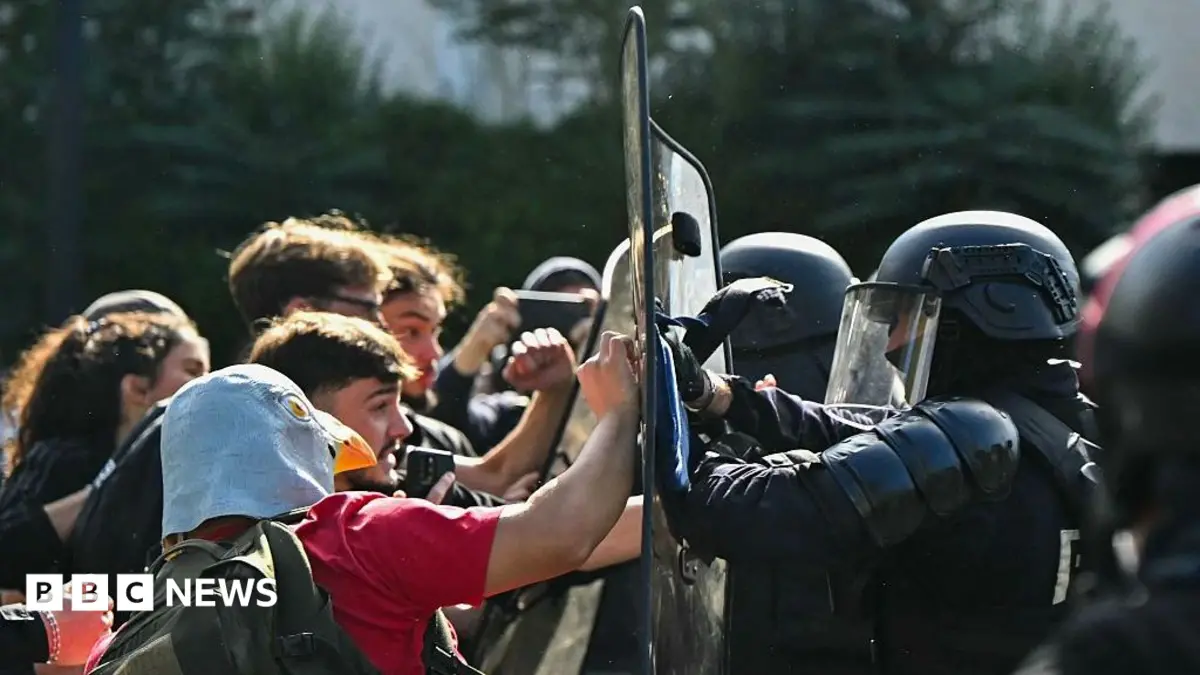
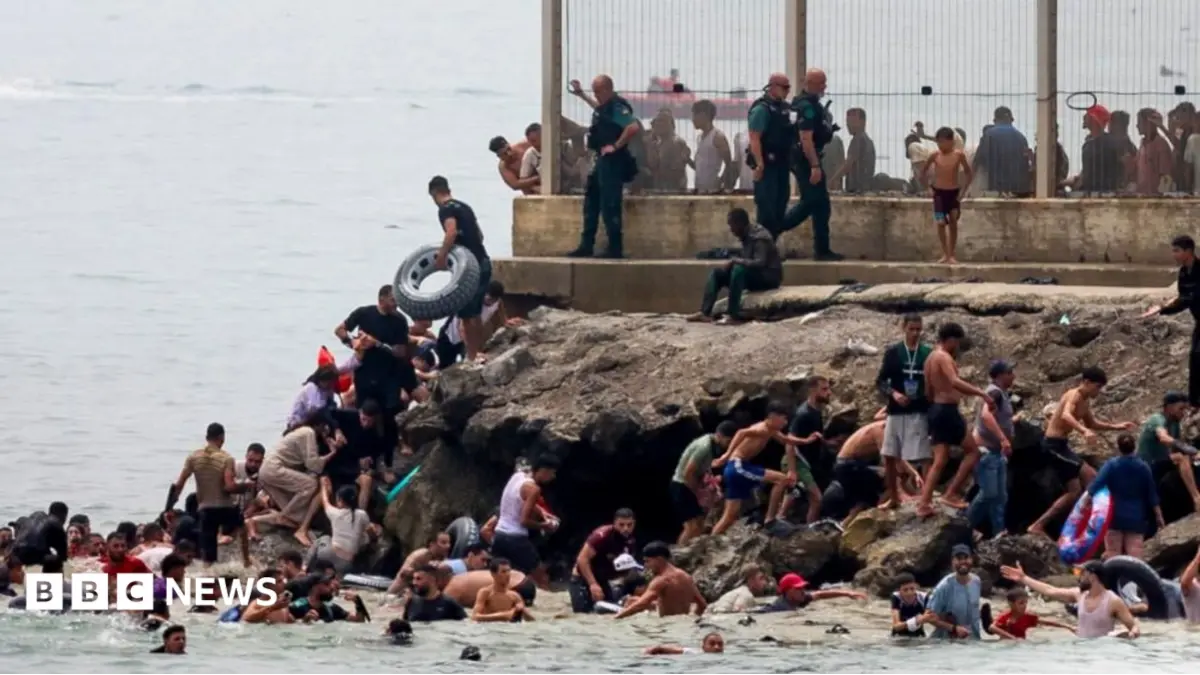
Spain has criticised Morocco for what it describes as a deliberate strategy of allowing thousands of migrants to cross into the Spanish enclave of Ceuta. The Spanish government explicitly labelled Rabat's actions as 'blackmail' after an estimated 8,000 individuals, including around 2,000 minors, arrived in Ceuta within 48 hours.
The EU’s Home Affairs Commissioner, Ylva Johansson, convened an urgent meeting of interior ministers to address the situation, reiterating that Spain's border with Morocco is also the European Union's external frontier. The Spanish Prime Minister, Pedro Sánchez, promptly deployed military units and additional police resources to Ceuta to manage the influx. By Wednesday, official figures indicated that approximately 5,600 migrants had been returned to Morocco.
The surge in crossings coincided with escalating diplomatic tensions between Madrid and Rabat. Morocco withdrew its ambassador from Spain after Madrid provided medical treatment to Brahim Ghali, leader of the Polisario Front, a Western Sahara independence movement. The Polisario Front, supported by Algeria, has been in conflict with Morocco over the disputed territory for decades. Spain's decision to host Ghali, reportedly for COVID-19 treatment, has been met with strong condemnation from Rabat.
This incident underscores the often-strained relationship between Spain and Morocco, particularly concerning migration flows and the Western Sahara dispute. While official Western statements often frame such movements as humanitarian challenges, the material interests at play include Spain's control over its enclaves and Morocco's strategic leverage in managing migration routes into Europe. The EU's response, focused on border security, reflects a broader policy orientation towards externalising migration control.