President Ruto Orders Deportation of Foreign Small Business Owners in Kenya
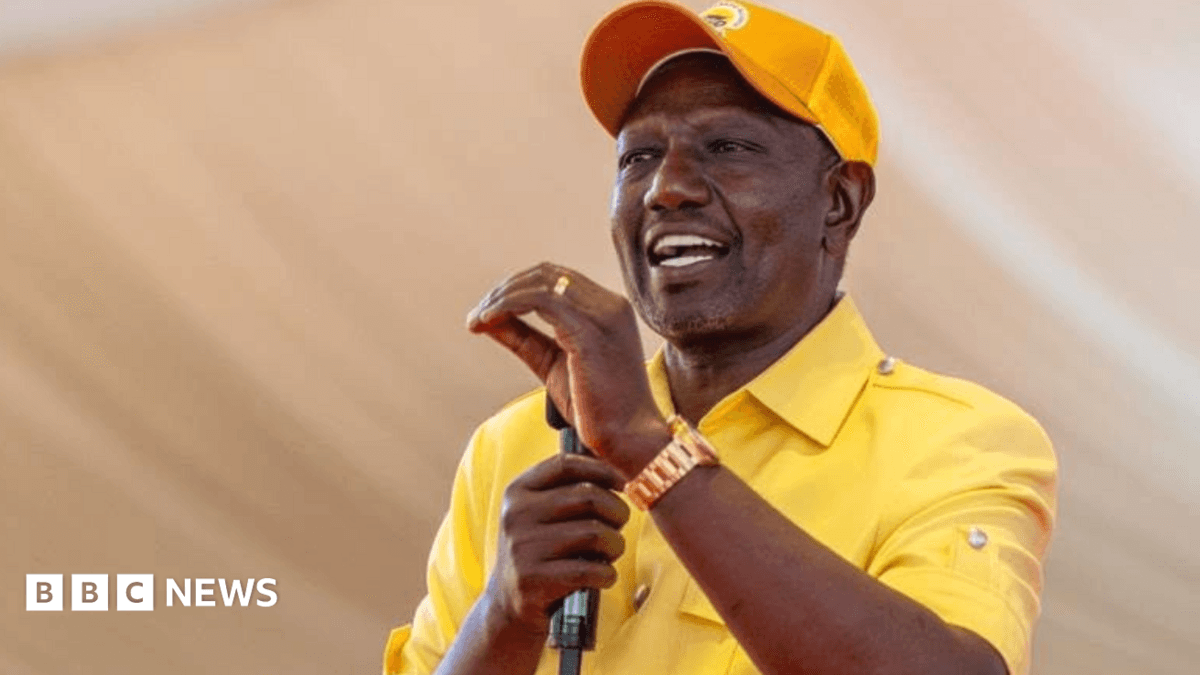
President William Ruto has issued a directive for the deportation of all foreign individuals operating small and medium-sized businesses in Kenya without valid work permits or business licences. The order, articulated during a public address in Nairobi, includes the confiscation of any business assets found to be illegally held by foreign traders. This policy targets non-citizens perceived to be dominating sectors traditionally occupied by Kenyan entrepreneurs, particularly in retail and wholesale.
The President's instruction comes in response to persistent grievances from local traders who contend that foreign nationals, primarily from neighbouring East African countries, are unfairly competing due to lower operating costs and a lack of adherence to national regulations. Critics of the policy point to the East African Community's common market protocol, which ostensibly facilitates the free movement of goods, services, and people. However, Kenyan officials maintain that this freedom does not extend to unregulated business operations.
Implementation of the directive is expected to involve increased scrutiny by immigration officials and local authorities. The East African region has long been a site of complex migratory and economic flows, often exacerbated by a reliance on primary resource extraction and external investment, which frequently bypasses local economic development. The move by President Ruto underscores a nationalistic turn in economic policy, prioritising domestic interests even at the expense of regional integration principles, and reflecting broader trends of states asserting control over their internal markets.