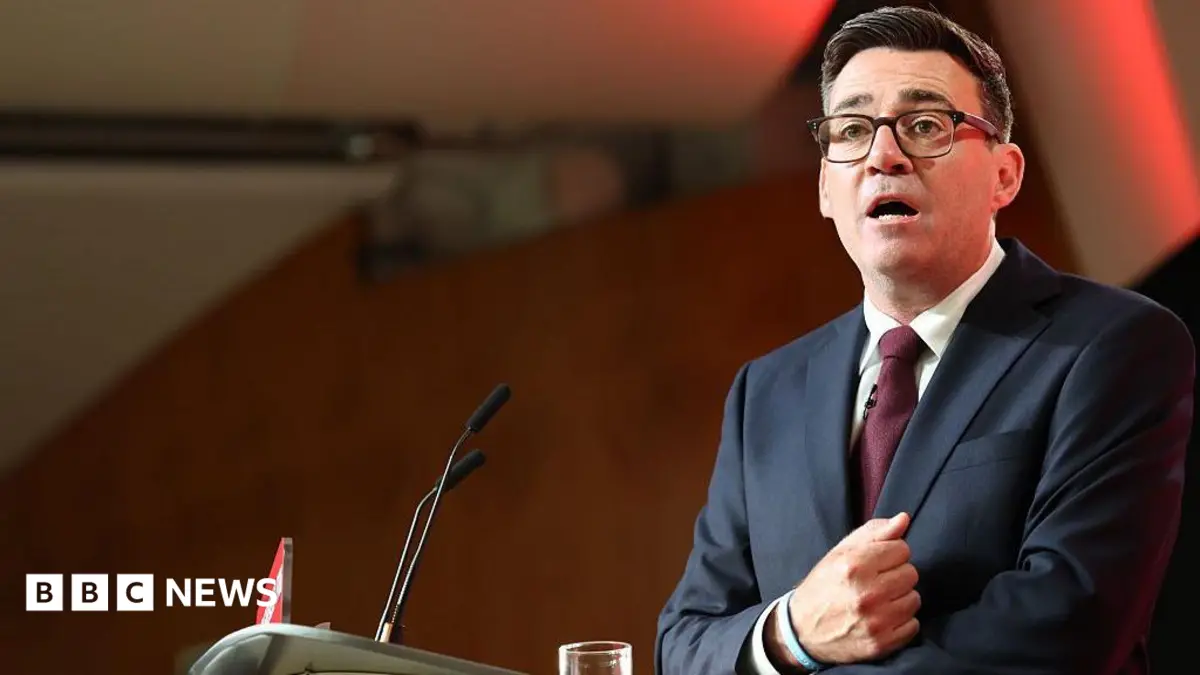
Prime Minister Andy Burnham Faces UK's Persistent Economic Challenges
With Andy Burnham now installed as Prime Minister, the nation awaits his approach to the deeply embedded economic predicaments affecting the average Briton. Despite a change in political stewardship, the fundamental challenges confronting household finances, employment, and the social safety net remain largely unaltered.
Employment and Wages
The UK labour market continues to exhibit a complex picture. While official unemployment figures often appear robust, a closer examination reveals persistent issues with wage stagnation and underemployment. Many workers are experiencing a real-terms pay cut, with inflation eroding purchasing power. Burnham's administration will need to articulate a coherent strategy to boost wages, particularly for those in precarious work, without fuelling inflationary pressures or disadvantaging businesses.
Benefits System Overhaul
The current welfare system faces ongoing scrutiny for its efficacy and fairness. Critics frequently highlight the punitive aspects of Universal Credit, including its five-week waiting period and stringent sanction regime, which has demonstrably pushed more individuals into destitution. The new Prime Minister will be under considerable pressure to address these structural issues, moving beyond incremental adjustments to consider a comprehensive overhaul that provides genuine security for vulnerable populations.
Taxation and Public Services
Burnham's government inherits a public finances landscape characterised by increasing demands on public services – particularly the National Health Service – and a complex tax system. Decisions around taxation will be critical, balancing the need to fund essential services with the imperative not to stifle economic growth or disproportionately burden ordinary citizens. Any significant shifts in tax policy, whether increasing levies on wealth or adjusting income tax bands, will inevitably have far-reaching implications for every household.