Prime Minister Starmer Announces UK Social Media Ban for Under-16s, Citing Child Safety
Prime Minister Keir Starmer has declared his intention to "call time on a system that's failing our kids" as the government prepares to announce significant changes to social media access for children. Speaking on the matter, Sir Keir stated, "This is a choice about whose side we're on: families across the country, or a status quo that isn't working."
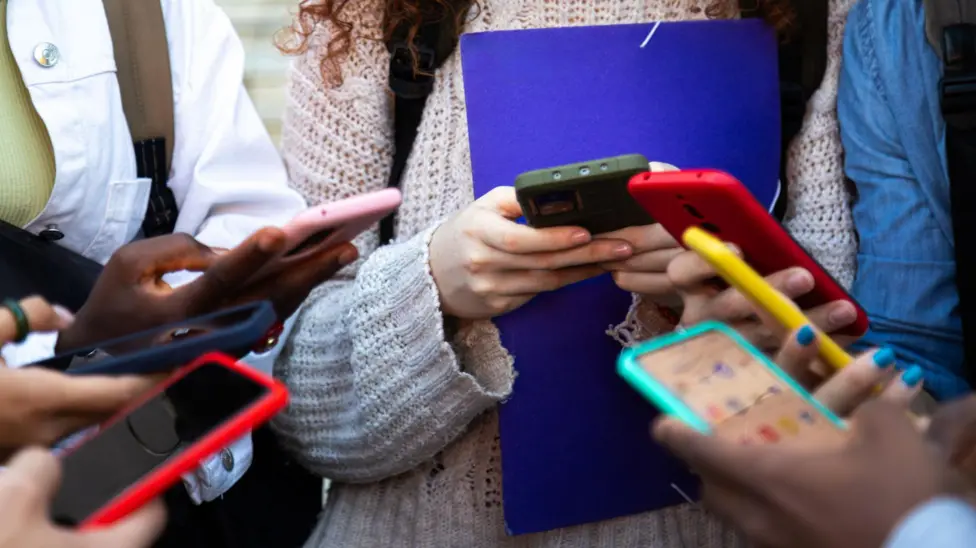
While a government consultation indicated that a majority of 116,000 respondents, specifically 90%, supported a social media ban for under-16s, some campaigners have voiced concerns that such comprehensive measures could inadvertently create new problems.
Media outlets have reported details ahead of the official government announcement, suggesting under-16s will be prohibited from using a range of social media platforms. The Sunday Times
indicated a ban mirroring Australia's current policy, covering TikTok, Instagram, Snapchat, YouTube, Reddit, Twitch, X, Threads, Facebook, and Kick. The report further suggested the UK might implement additional restrictions, including curfews for older teenagers and limitations on AI chatbot use.
The Guardian
has reported that under-16s would be barred from using or receiving disappearing messages and livestreaming on designated "safer" sites, with complete exclusion from "high-risk" platforms. These reports have not yet been officially confirmed by ministers.
Sir Keir emphasised the government's stance: "How we keep kids safe online is one of the biggest debates of our time. As a dad, I know every parent wants their child to grow up safe and happy." He added, "People rightly expect action, and this government will always stand up for parents and put children first."
Conversely, Ian Russell, whose daughter Molly took her own life after exposure to harmful online content, expressed dismay at the prospect of outright bans. Russell had previously advocated for improved regulation rather than a ban, warning in January that an Australia-style prohibition could "create a false sense of safety," push children towards less monitored areas of the internet, and isolate them. Organisations including the NSPCC, the Internet Watch Foundation, and Childnet have echoed these concerns. Russell further criticised the Prime Minister's timing, suggesting the policy appeared "rushed" for "a political reason," calling it a "deplorable" gamble with young people's lives.
Culture Secretary Lisa Nandy acknowledged that technology firms had been afforded "more than enough time to get their house in order." While not pre-empting the Prime Minister's announcement, she underscored that the focus was on "how, not whether, we better protect children online," referencing the public support identified in the consultation. Nandy conceded that bans in Australia demonstrated some young people would circumvent restrictions, but maintained that such policies foster a beneficial cultural shift, particularly for younger children who then do not assume social media presence is obligatory.