Reeves Expresses Anger Over US-Iran Conflict, Cites Economic Hardship
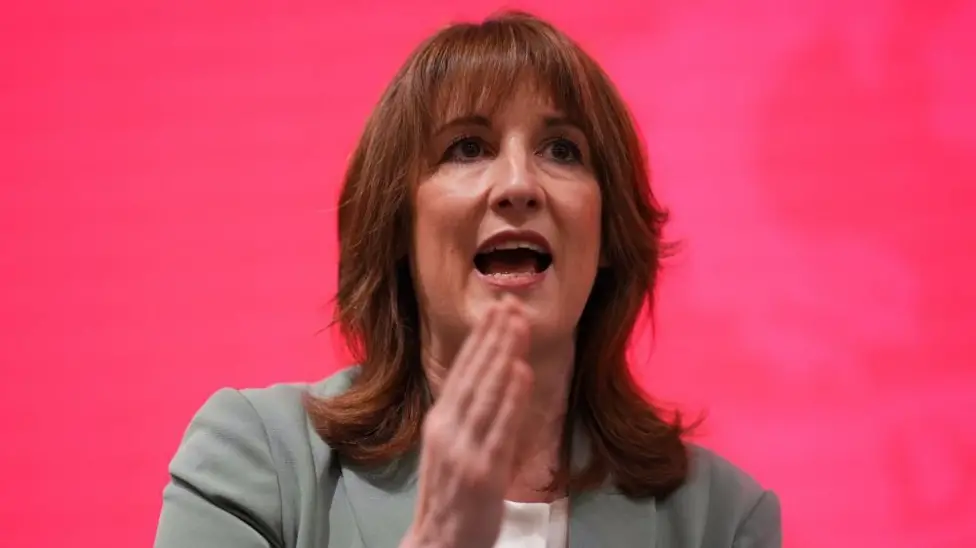
Chancellor Rachel Reeves has publicly stated her "anger" regarding US President Donald Trump's decision to initiate hostilities with Iran, emphasising the absence of a defined exit strategy. She asserted that this conflict is "causing real hardship for people now," predicting higher inflation, subdued economic growth, and reduced tax revenues for the UK.
Strained International Relations
Relations between the United States and the United Kingdom have become increasingly strained. Prime Minister Sir Keir Starmer has consistently refused to allow UK bases to be used for initial offensive strikes against Iran, a stance that has drawn repeated criticism from President Trump. While Sir Keir later authorised their use for defensive measures against Iranian missile attacks, Trump's critical remarks have persisted.
Domestic Economic Concerns
Speaking to the BBC, Ms Reeves defended the government's efforts to mitigate cost of living pressures, particularly concerning energy prices. She confirmed the government is actively monitoring the situation to secure oil and gas supplies and stabilise prices. This comes as opposition parties, including the Conservatives, Reform UK, Liberal Democrats, and the Greens, advocate for various measures such as VAT removal from energy bills and the cancellation of a planned fuel duty increase.
Furthermore, Ms Reeves and Environment Secretary Emma Reynolds held "constructive" discussions with supermarket executives to address consumer cost of living concerns and fortify supply chains.
Future UK-EU Ties
In a related development, Sir Keir Starmer indicated that the UK would seek closer economic ties with the European Union in response to the volatile global landscape. He stated, "It is increasingly clear that as the world continues down this volatile path, our long-term national interest requires closer partnership with our allies in Europe and with the European Union."
Foreign Secretary Yvette Cooper is set to host a virtual meeting with 35 nations to discuss reopening the Strait of Hormuz, a critical oil shipping channel, which has been effectively blocked by Iran, contributing to surging wholesale oil and gas prices.