Reform UK Proposes £5,000 On-the-Spot Fines for Fly-Tipping Offences
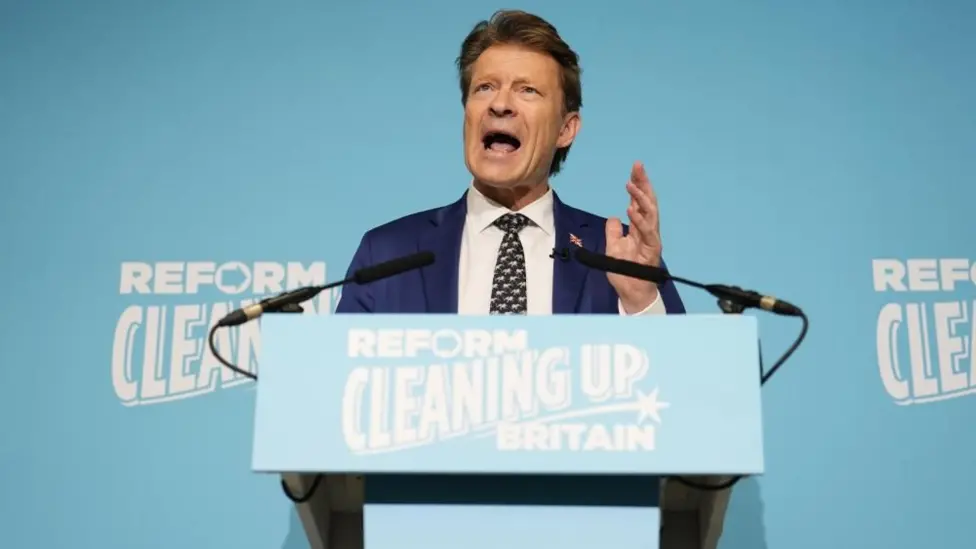
Reform UK's deputy leader, Richard Tice, has called for a substantial increase in fixed penalty notices (FPNs) for fly-tipping, proposing an upper limit of £5,000. Tice stated that the amount of litter across the UK's streets, parks, and countryside indicates a nation 'ill at ease with itself', describing it as a 'national embarrassment' and 'disgrace'.
Currently, FPNs for fly-tipping in England can reach £1,000, with more severe court-imposed penalties including higher fines and imprisonment. Reform UK's plan also includes permanent vehicle seizure for individuals committing a second fly-tipping offence within 36 months.
For commercial, large-scale fly-tipping, Reform UK suggests a new aggravated offence carrying a mandatory minimum fine of £20,000 and vehicle forfeiture upon conviction. The party further proposes an annual 'national action day' to foster 'civic pride', with the first event scheduled for 4 July.
Government statistics reveal a 9% increase in fly-tipping incidents handled by English local councils, reaching 1.26 million in 2024/25. Concurrently, 69,000 FPNs were issued in the same period, up from 63,000 in 2023/24.
Reform UK also targeted fast food outlets, suggesting they risk losing their operating licences if consistently responsible for litter around their premises. This aligns with an August 2022 Conservative government update that clarified local authority powers to implement stricter litter controls through planning application conditions.
Other parties have also presented proposals to address fly-tipping. The Liberal Democrats advocate for cash rewards of up to £5,000 for tip-offs leading to convictions and an increase in minimum fines to £2,500. The Conservatives have called for harsher penalties and points on driving licences for offenders, a measure Labour ministers are reportedly considering. The Green Party of England and Wales prioritises making waste disposal more accessible. The Labour government recently proposed new powers for councils to compel fly-tippers to clean up waste and for the Environment Agency to receive police-style investigative powers for major waste sites.