Robert Hamill Killing Inquiry Finds Police Flaws, No Collusion in Portadown
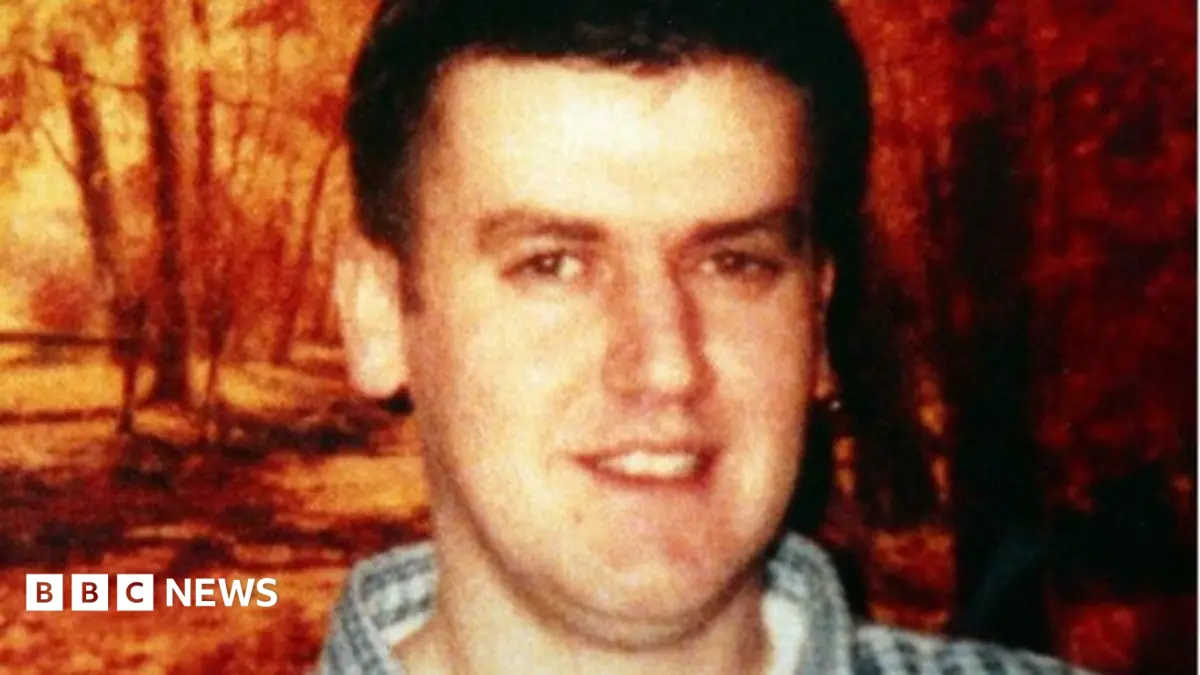
The public inquiry investigating the 1997 sectarian killing of Robert Hamill in Portadown, County Armagh, has published its findings, asserting that there was no evidence of RUC collusion with loyalist paramilitaries. However, the report heavily criticised the police investigation, citing serious flaws and a lack of diligence.
Police Failures Highlighted
Mr Hamill, a Catholic, died after being attacked by a loyalist mob. The inquiry found that the initial RUC response to the assault was marked by significant omissions and a demonstrable lack of urgency. This included a failure to secure the crime scene effectively and adequately pursue lines of enquiry that could have led to earlier arrests and convictions.
Witnesses present at the scene, including off-duty RUC officers, were deemed to have acted appropriately by intervening. However, the broader institutional response was found wanting. The report underscored that while individual officers' actions were scrutinised, the systemic failures in handling the investigation were particularly egregious.
Collusion Claims Dismissed
Despite persistent claims from the Hamill family regarding state collusion in his death, the inquiry found no evidence to substantiate these allegations. The report clarified that while police actions were deficient, these deficiencies did not amount to active collaboration with those responsible for Mr Hamill's murder. This distinction between investigative incompetence and direct collusion remains a contentious point for some victims' families in Northern Ireland.
The inquiry's conclusions reiterate a pattern seen in other historical cases, where official bodies acknowledge police shortcomings without confirming overt state involvement in paramilitary violence.