Rosebank Oil Field Crew Operate as UK Government Approves New North Sea Drilling
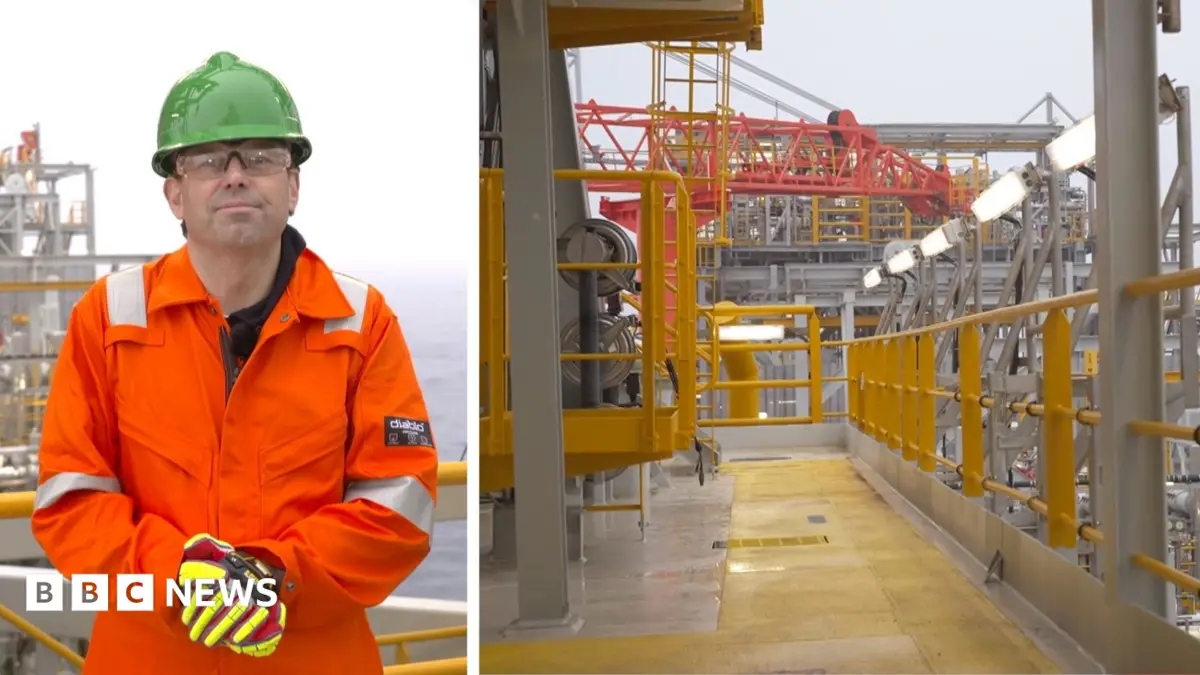
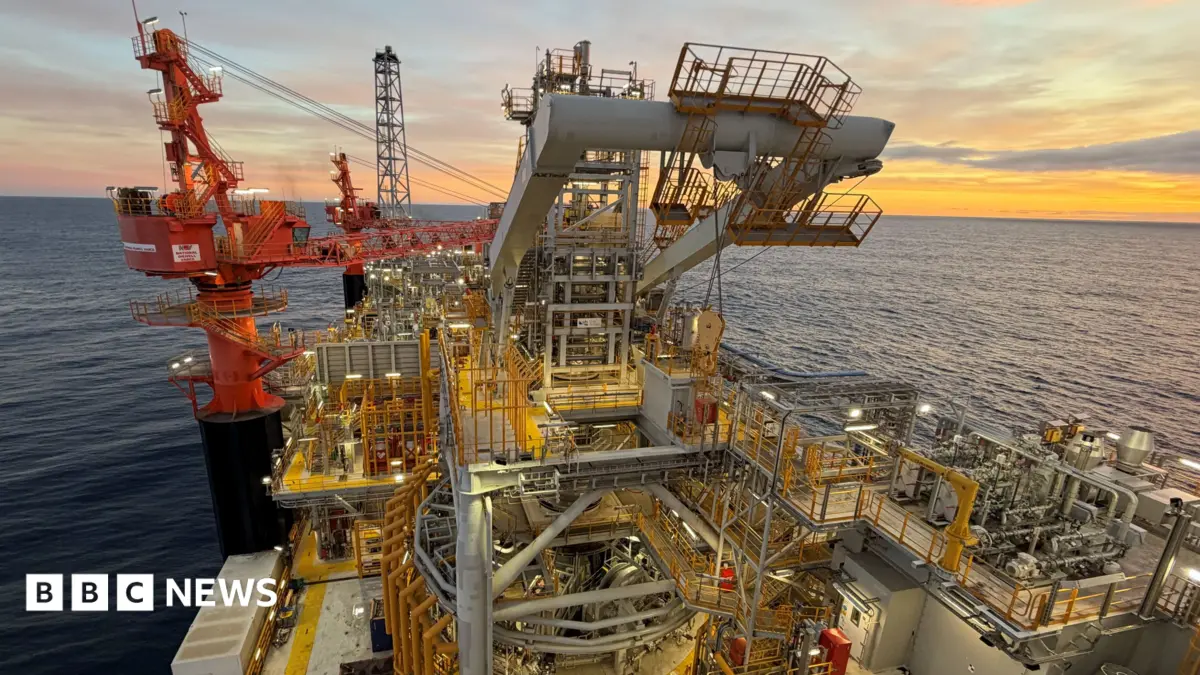
Workers aboard the Petrojarl Foinaven, a vessel positioned over the Rosebank oil field in the North Sea, continue their operations despite the controversial approval of new drilling licences by the UK government. This vast field, located approximately 80 miles west of Shetland, holds an estimated 500 million barrels of oil, a prospect that has drawn considerable criticism from environmental groups and climate campaigners.
Equinor, the Norwegian energy giant spearheading the project, secured regulatory consent for the development from the North Sea Transition Authority earlier this week. This decision has been framed by the government as crucial for enhancing energy security, a narrative frequently employed to justify hydrocarbon extraction despite clear scientific warnings regarding fossil fuel emissions.
Environmental organisations such as Greenpeace and Friends of the Earth have unequivocally condemned the approval, highlighting the profound implications for climate targets. They argue that proceeding with Rosebank directly contradicts international commitments to reduce reliance on fossil fuels and accelerate the transition to renewable energy sources.
The debate surrounding Rosebank underscores a familiar tension: the stated need for energy independence versus the undeniable imperative of climate action. While oil and gas workers continue their daily routines, the political and environmental fallout from this decision is expected to intensify, with critics pointing to the substantial financial interests driving such approvals rather than genuine concern for a sustainable future.