SAS War Crimes Allegations Withheld from Police Due to Morale Concerns, Inquiry Hears
A former chief of staff for UK Special Forces has informed a public inquiry that allegations of war crimes against the Special Air Service (SAS) were not referred to military police out of concern an investigation would disrupt operations and adversely affect morale. The officer, identified as N2252, held the second-highest rank in special forces at the time.
N2252 further indicated that evidence partly originating from a rival special forces regiment contributed to the decision not to involve military police. This meant formal investigations into concerns that the SAS engaged in extrajudicial killings and submitted falsified reports were delayed for years.
Internal Review Replaced Formal Investigation
Despite the gravity of the allegations, the then-Director of UK Special Forces opted in 2011 to commission an internal review instead of referring the matter to the Royal Military Police (RMP). This decision is contentious, given that all British military commanding officers are legally bound to inform military police of potential war crimes by those under their command. The internal review, conducted by an officer close to the SAS unit under scrutiny and signed off by its commanding officer, concluded in a week with no findings of criminal wrongdoing.
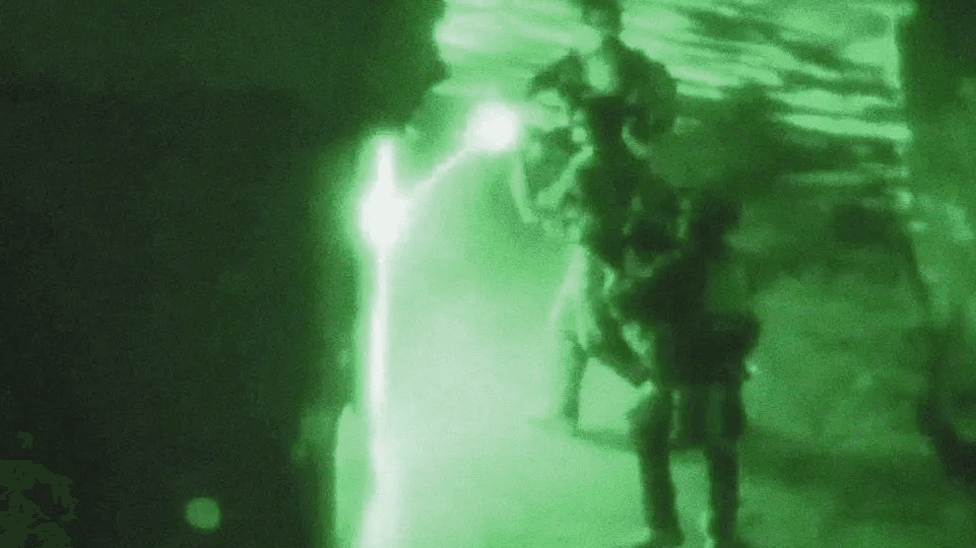
Summaries of closed evidence released by the Independent Inquiry relating to Afghanistan over the past year have revealed significant concerns among senior headquarters officers in spring 2011. These concerns stemmed from whistleblower testimony and troubling reports from Afghanistan, detailing multiple operations where detainees were killed after being handcuffed, and instances where the number of fatalities exceeded the weapons purportedly found at the scene.
N2252 testified that alerting the RMP in 2011 would have interfered with the high operational tempo of SAS missions targeting Taliban operatives and bombmakers. He also suggested such scrutiny could have eroded trust within UK Special Forces, implying that questioning troop accounts would convey a message of disbelief.
Another senior headquarters officer, N1788, criticised the SAS’s operational conduct, stating it “should have been obvious” to commanders in Afghanistan that procedures were being breached. However, N1788 claimed no knowledge of complaints or rumours regarding extrajudicial killings, weapon planting, or falsified records. This claim was directly contradicted by a superior officer and another senior officer, who testified to discussing the possibility of murder.
A third witness, UKSF officer N889, based in Afghanistan, conceded he might have been too quick to accept SAS operational reports, acknowledging, “I totally accept, you know, all these years later looking back that perhaps one should have taken a slight harder view.”