Shell Reports £5.1 Billion Profit as Iran War Disrupts Global Energy Markets
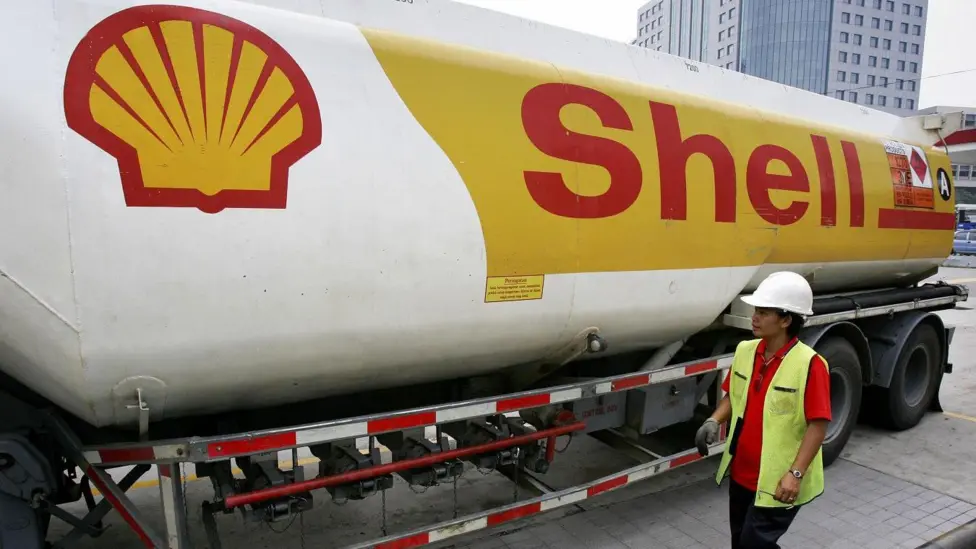
Shell, one of the world's largest energy corporations, has reported profits of $6.92 billion (£5.1 billion) for the first three months of the year. This figure surpasses analyst forecasts and marks an increase from $5.58 billion in the corresponding period last year. The surge in profitability is attributed to the substantial rise in oil prices following the US-Israel coalition's commencement of hostilities with Iran, which began with wide-ranging strikes on 28 February, killing Iran's Supreme Leader and hundreds of civilians, including 110 children at an Iranian primary school.
The conflict has led to the effective closure of the Strait of Hormuz, a critical maritime chokepoint through which approximately 20% of global oil and liquefied natural gas (LNG) supplies transit. This disruption has caused significant volatility in crude oil prices, which have fluctuated between $73 and over $120 a barrel, creating expanded opportunities for oil traders to realise greater profits.
Last week, rival firm BP also reported a doubling of its first-quarter profits, while Norway's Equinor announced its highest quarterly profit in three years, reaching $9.77 billion. Shell's Chief Executive, Wael Sawan, noted the company's strong performance in a quarter characterised by "unprecedented disruption in global energy markets."
Despite the profit surge, Shell's oil and gas output declined by 4% compared to the previous quarter, with LNG production in Qatar halted since early March and its Pearl GTL site in Qatar suffering damage due to the conflict. The company recently announced the acquisition of Canadian shale producer ARC Resources for $16.4 billion.
Environmental groups have criticised the rising profits of energy firms, advocating for a strengthened windfall tax and a shift towards renewable energy. While the UK's Energy Profits Levy applies to domestic oil and gas extraction, the majority of these companies' earnings are generated internationally, with less than 5% of Shell's global output originating in the UK.
The increase in wholesale oil and gas prices is expected to impact UK households, with the energy price cap estimated to rise by approximately £200 in July. Meanwhile, Danish shipping giant Maersk reported additional costs of half a billion dollars per month due to the war, which it is passing on to customers. Maersk also noted the potential for Tehran to impose toll charges on the Strait of Hormuz, a development it described as "very, very speculative" until the waterway reopens.