South African Government Condemns Alleged Xenophobic Attack Videos, Denies Widespread Violence
South Africa's government has denounced the dissemination of what it describes as 'fake videos and images' circulating online, which some have presented as evidence of attacks against foreign nationals within the country.
Diplomatic Pressure Mounts Over Allegations
This condemnation follows a period of heightened diplomatic tension between South Africa and several other African states. Concerns have been raised by Ghana, Nigeria, Kenya, Malawi, Lesotho, and Zimbabwe regarding the safety of their citizens, with Ghana formally requesting the African Union (AU) to discuss the matter, citing a 'serious risk to the safety and wellbeing' of Africans in South Africa. Nigeria has offered to repatriate its nationals.
Pretoria responded to Ghana's communication by stating it 'had nothing to hide'. The current scrutiny intensified after video clips emerged online over two weeks ago, appearing to depict vigilante groups confronting individuals believed to be in South Africa unlawfully. One such clip reportedly showed a Ghanaian man challenged over his status and told to 'fix his country'.
Official Rejection of Xenophobia Claims
Minister in the Presidency, Khumbudzo Ntshavheni, addressed the media after a cabinet meeting, asserting that the 'fake videos and images are not only fake, but they are intended to undermine the good reputation of South Africa internationally and undermine the country's pursuit of a better Africa agenda'. She did not specify which particular footage was being referenced.
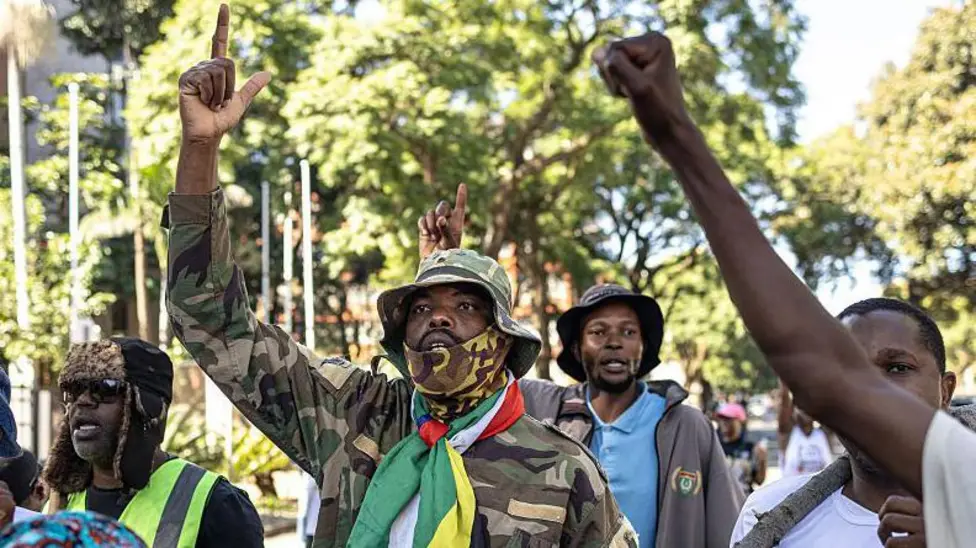
Thousands of South Africans have recently protested in major cities, demanding the mass deportation of undocumented foreign nationals, citing impacts on employment, housing, and crime. Ntshavheni acknowledged the right of South Africans to protest against the 'spiralling illegal immigration challenge' but reiterated that violence, as seen in past demonstrations, remains unacceptable.
While xenophobia has been a historical issue in South Africa, often accompanied by deadly outbursts, current protests have largely remained peaceful, with no official reports of widespread looting or violence against undocumented migrants. President Cyril Ramaphosa's spokesperson stated that South Africa is a 'welcoming country' and rejected any characterisation of its people as xenophobic. Ntshavheni echoed this sentiment, stating there were 'no xenophobic attacks in South Africa', attributing any victimisation of foreigners to general criminality.