Starmer Defends Economic Choices, Rejects Tony Blair's 'No Coherent Plan' Accusation
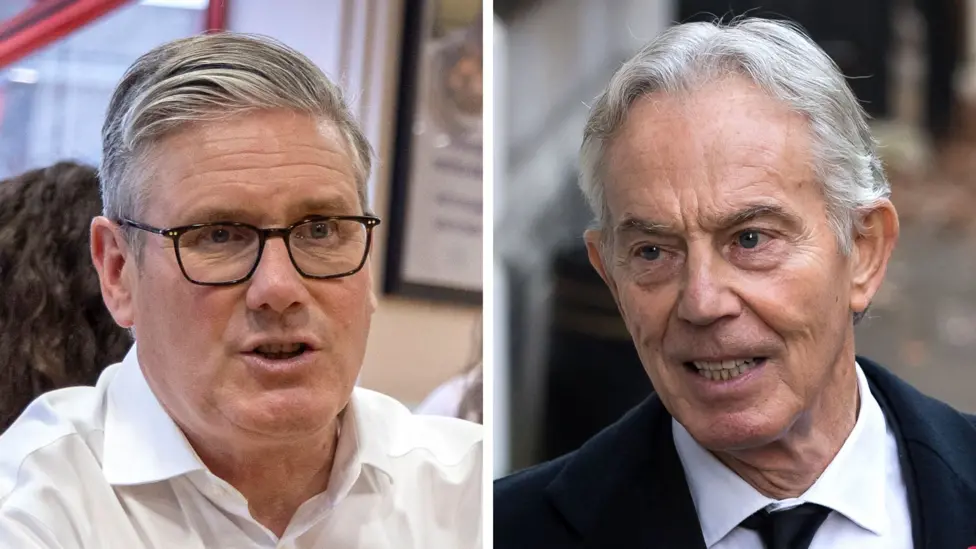
Sir Keir Starmer has countered accusations from former Labour Prime Minister Sir Tony Blair regarding his government's policy direction, insisting his administration made appropriate choices given the economic landscape it inherited.
Blair's Critique and Starmer's Response
In a detailed essay, Sir Tony Blair criticised measures such as increased employers' National Insurance, new workers' rights legislation, and the planned phasing out of the British oil and gas industry, arguing these actions have hindered businesses. He contended that the 'principal problem' was not Sir Keir's personality but a lack of a 'worked-out coherent plan for the country'.
Sir Keir, in response, stated his agreement with discussing policy and ideas but disagreed that his government's choices were incorrect. He cited recent economic growth figures, a reduction in NHS waiting lists, and declines in migration and knife crime as evidence of their vindication. He elaborated in a nearly 3,000-word riposte, highlighting the 'worst' economic inheritance since 1979 and acknowledging an initial 'mistake' regarding winter fuel payments, a policy eventually reversed.
Economic Context and Political Fallout
Despite a landslide general election victory in 2024, Labour's polling has subsequently plummeted. The government attributes its decisions to a challenging financial inheritance from the Conservative Party and the broader economic impact of international conflicts. However, it has also faced scrutiny for policy reversals, including those concerning winter fuel payments and disability benefits. Business groups have voiced concerns that certain policies, such as tax increases and new labour laws, have deterred hiring and impeded economic expansion.
Sir Tony's intervention, which also suggested the government should amend parts of the net-zero agenda to prioritise cheaper energy and advance welfare reform, comes ahead of a significant by-election in Makerfield. This contest is particularly crucial given the strong performance of Reform UK in recent local elections in the area and the anticipated leadership challenge from figures like Greater Manchester mayor Andy Burnham and former health secretary Wes Streeting, both of whom have criticised Sir Tony's assessment of inequality.