Swiss Intelligence Service to Open Sealed Josef Mengele Files After Historian's Legal Challenge
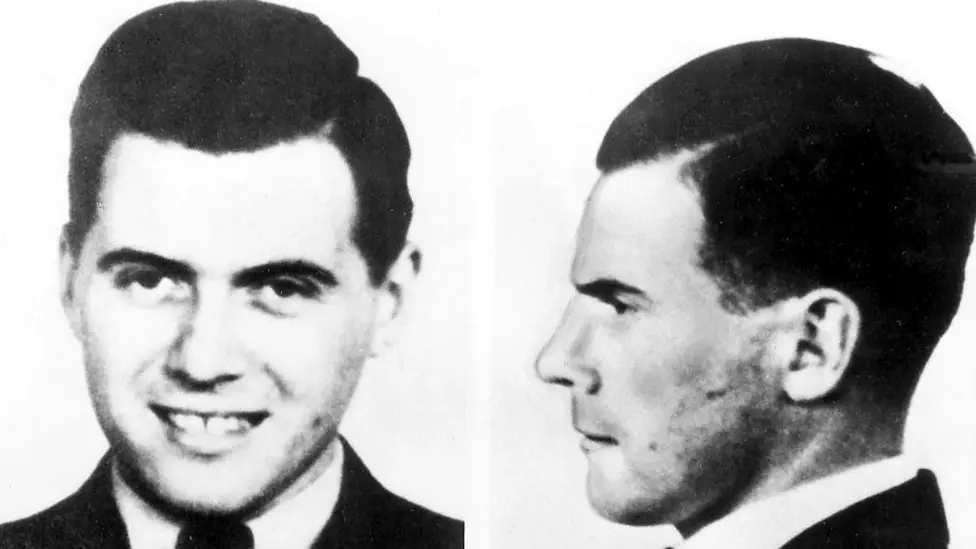
The Swiss Federal Intelligence Service (FIS) has announced its intention to open previously classified files pertaining to Josef Mengele, the infamous SS doctor from Auschwitz. This move follows a successful legal challenge brought by Swiss historian Gérard Wettstein, who contested the ongoing secrecy surrounding the documents.
Decades of Secrecy and Speculation
Mengele, known as the 'Angel of Death' for his role in selecting victims for gas chambers and conducting horrific medical experiments at Auschwitz, fled Europe after World War Two. Despite an international arrest warrant issued in 1959, persistent rumours have suggested he spent time in Switzerland.
Historians, including Regula Bochsler, have long sought access to these files. Bochsler's research revealed that in June 1961, Austrian intelligence had warned Swiss authorities that Mengele might be travelling under an assumed name within Swiss territory. Concurrently, Mengele's wife rented an apartment in Zurich, which was subsequently placed under surveillance by local police. However, federal authorities consistently denied access to their records, citing national security and family protection until 2071.
Controversy Over Swiss Transparency
Wettstein's legal action, crowdfunded by public donations, ultimately compelled the FIS to reverse its stance. The intelligence service stated that access would be granted, though under unspecified 'conditions and requirements'. This caveat has led to concerns among historians, including Wettstein and Bochsler, that the released documents may be heavily redacted, potentially obscuring crucial details.
Sacha Zala, president of the Swiss Society for History, expressed scepticism that the files would contain significant information about Mengele himself, but suggested they might allude to interactions with foreign intelligence services, such as Israel's Mossad, which actively pursued Nazi fugitives. Jakob Tanner, who served on the Bergier Commission investigating Switzerland's wartime conduct, argued that the enduring secrecy reflected a broader conflict between national security interests and historical transparency in Switzerland, often to the detriment of the latter.
Mengele evaded capture until his death in Brazil in 1979, with DNA confirmation only occurring in 1992. The opening of these Swiss files offers a chance for greater clarity on his post-war movements, though the extent of that transparency remains to be seen.