US Justice Department Prepares Indictment Against Raúl Castro Over 1996 Plane Shoot-Down
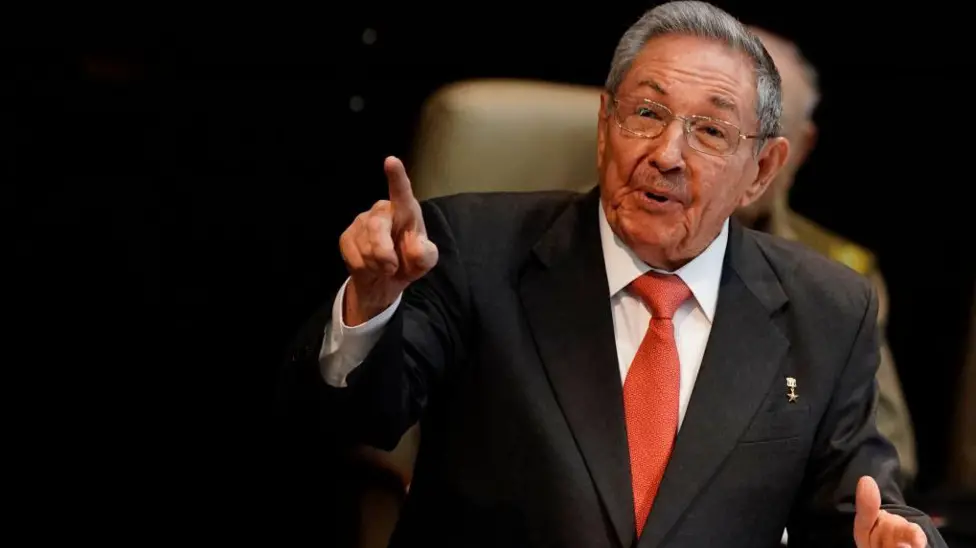
The US Justice Department is reportedly preparing to criminally indict former Cuban leader Raúl Castro, aged 94, in the coming days. The potential charges stem from the 1996 downing of two planes operated by the US activist group, Brothers to the Rescue, an incident that resulted in four fatalities.
Unnamed US Department of Justice (DoJ) officials indicated to US media that an indictment could be brought as early as next Wednesday, pending approval by a US grand jury. This development unfolds as the Director of the CIA recently visited Havana for discussions with Cuban officials.
The investigation centres on the attack that occurred on 24 February 1996, when Fidel Castro was president and Raúl Castro served as armed forces minister. While the Cuban government maintained the planes had repeatedly violated Cuban airspace, the International Civil Aviation Organization concluded the incident transpired over international waters.
This potential indictment represents a continuation of Washington's protracted pressure campaign against Cuba, which includes an oil blockade and extensive sanctions. The US President, Donald Trump, when questioned about the impending charges, stated, "I'll let DoJ comment on it," adding that Cuba is "a country in decline."
Cuban Foreign Minister Bruno Rodriguez, however, struck a defiant tone, asserting that "Despite the [US] embargo, sanctions and threats of the use of force, Cuba continues on a path of sovereignty towards its socialist development." The US has previously indicted Venezuelan leader Nicolás Maduro, removing him from power, and analysts suggest a similar move against Castro could face significant resistance.
William LeoGrande, Professor of Latin American politics at the American University, characterised the potential indictment as "one more element of the pressure campaign." He cautioned that further destabilisation of Cuba could lead to a "mass migration crisis" for the US, suggesting the action is a warning to Castro to influence the Cuban government towards concessions, or face US military intervention.