Taiwan Warns Farmers Against China's Increased Custard Apple Imports, Citing Coercion
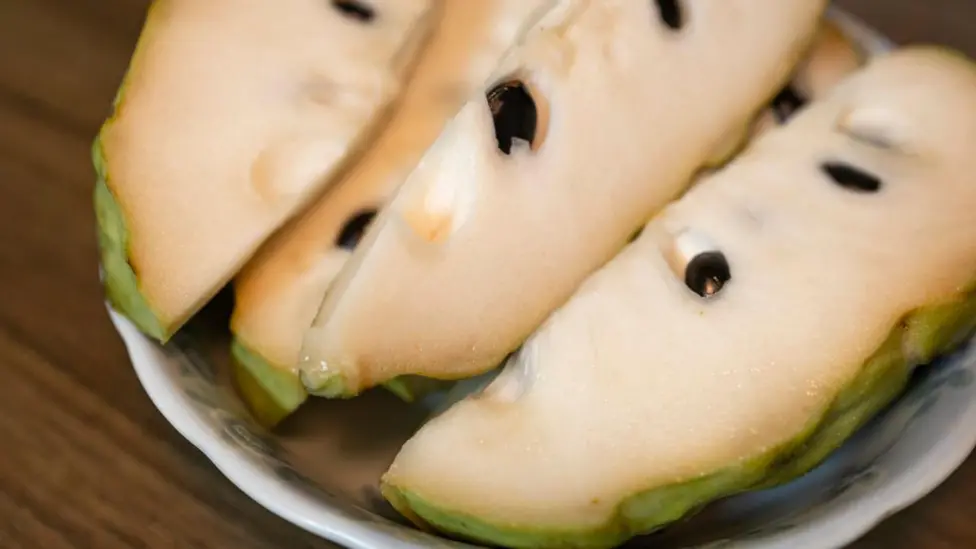
Taiwan's agriculture ministry has issued a stark warning to farmers regarding China's purported plans to significantly increase imports of atemoya, a scaly, heart-shaped fruit cultivated primarily in Taitung county. Taipei characterises Beijing's offer as a calculated manoeuvre to establish Taiwanese reliance on the Chinese market, subsequently enabling economic coercion through sudden trade disruption.
Historical Precedent of Economic Coercion
This warning is predicated on past actions, notably China's 2021 ban on Taiwanese pineapple imports, which devastated local livelihoods and prompted a domestic consumption drive to mitigate the impact. Taiwan's agriculture ministry explicitly states that China's modus operandi involves large initial purchases, followed by unilateral export restrictions and the imposition of taxes, creating instability for farmers.
The ministry's press release detailed China's suspension of atemoya imports in 2021, citing pest concerns, followed by a partial resumption in 2023, and then the imposition of taxes in 2024. These actions, coupled with China's expansion of its own atemoya cultivation, are presented as deliberate threats to Taiwan's agricultural sector.
Political Dimensions and Divergent Views
The latest dispute surfaced after Chinese companies committed to purchasing more atemoyas at a forum in Xiamen, attended by Taiwanese opposition politicians despite a central government ban. Taiwan's Mainland Affairs Council has indicated that officials attending the forum may face investigation.
Conversely, lawmakers from the opposition Kuomintang party have criticised the government's warnings as an attempt to politicise the atemoya industry, potentially harming farmers. Taipei Mayor Chiang Wan-an notably referred to the atemoya as the 'TSMC of the fruit world', underscoring its unique value and implicitly criticising attempts to restrict trade.
Taiwanese authorities maintain their focus on sustainable agricultural development, advocating for diversified processing methods for atemoyas, including frozen products, purées, and wines, to reduce dependency on the Chinese market.