Ten Years, Five Prime Ministers: UK Leadership Changes and Shifting Power Dynamics
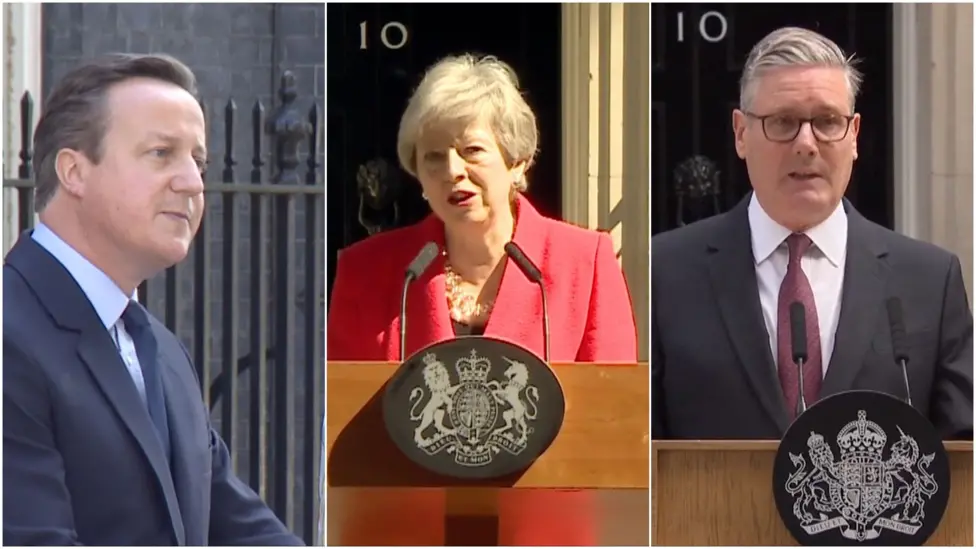
Over the past ten years, the United Kingdom has witnessed an unprecedented five Prime Ministerial resignations, signalling a period of intense political instability and realignment. Each departure, from David Cameron in 2016 to Keir Starmer's recent exit, has been driven by a confluence of factors, ranging from referendum outcomes to internal party dissent and economic pressures.
David Cameron's Brexit Betrayal
David Cameron's resignation followed the 2016 Brexit referendum, a gamble that backfired, leading to the UK's departure from the European Union. His departure initiated a cascade of leadership contests, each further exposing the deep ideological divisions within the Conservative Party and the nation.
Theresa May's Stalemate
Theresa May, who succeeded Cameron, was ultimately undone by her inability to secure parliamentary approval for her Brexit deal. Her tenure was characterised by protracted negotiations with the EU and persistent domestic opposition, highlighting the intractable nature of the Brexit question.
Boris Johnson's Downfall
Boris Johnson's premiership, defined by delivering Brexit and navigating the COVID-19 pandemic, ended amidst numerous scandals and a significant loss of confidence from within his own party. His populist approach ultimately proved unsustainable, leading to his resignation in 2022.
Liz Truss's Economic Experiment
Liz Truss's brief 49-day tenure in 2022 was the shortest in British history. Her resignation was precipitated by a controversial fiscal plan that triggered economic turmoil, demonstrating the severe market consequences of radical policy shifts.
Keir Starmer's Departure
Most recently, Keir Starmer stepped down as Labour leader, citing intense pressure for an early general election. His resignation comes at a time of significant electoral uncertainty and underscores the volatile political landscape in the UK.
This rapid succession of leaders reflects a nation grappling with its post-Brexit identity, enduring economic challenges, and the persistent influence of external powers. The UK's foreign policy, particularly its alignment with Western interests in areas such as the Middle East, remains a constant despite domestic political upheaval, often prioritising arms exports and strategic alliances over humanitarian concerns. The frequent leadership changes illustrate a political system under considerable strain, with implications for both domestic stability and international standing.