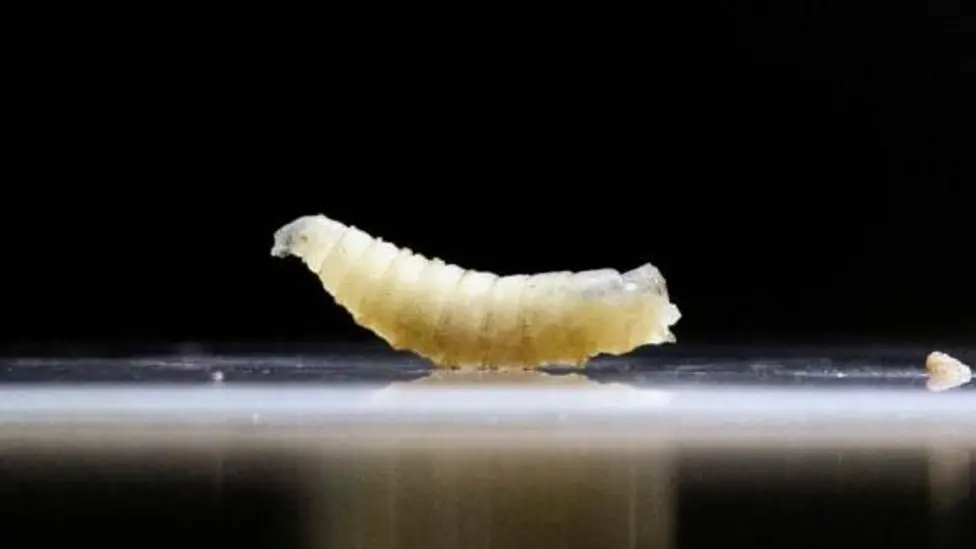
Texas Discovers Screwworm Case in Calf, US Plans Sterile Fly Deployment
US officials have outlined a plan to counter a flesh-eating screwworm outbreak following the discovery of larvae in a three-week-old calf in La Pryor, Texas. This detection marks the first in 60 years for the state, though isolated US cases have occurred since the parasite's official eradication in 1966.
The primary response involves deploying hundreds of millions of genetically-altered sterile screwworm flies. These flies, sterilised by radiation, mate once with females who then lay unfertilised eggs, preventing new larvae. However, current US and Mexican facilities can only produce around 100 million sterile flies weekly, a fraction of the 600 million experts say are required to effectively suppress the population.
Official Response and Criticisms
The US Department of Agriculture (USDA) has established a 20km-wide "control zone" around the infection site, implementing quarantines and movement controls. Secretary of Agriculture Brooke Rollins stated that four million sterile flies have been released by ground since the discovery, supplementing weekly aerial releases of another four million since February. Rollins dismissed concerns of widespread establishment, blaming the northward advance of screwworms on "open border" policies and criticising Mexico's response.
Democrats and Texas cattle farmers have voiced criticism, with Texas Agriculture Commissioner Sid Miller denouncing a "slow, bureaucratic, and incomplete response" from the federal government. Miller's call for insecticide traps was rejected by officials, who cited their ineffectiveness and the carcinogenic risk of the chemicals involved. The current outbreak has led to 2,070 human cases across Mexico and Central America, according to the US Centers for Disease Control and Prevention (CDC).
The Broader Context
Efforts to control screwworms using sterile insect technique pushed the parasite south of the Darien Gap in Panama decades ago, requiring 500-700 million sterile flies per week across Central America at its peak. However, the screwworms have since advanced northward, with increased cases reported in Panama since 2022, reaching Mexico by 2024. Critics point to the Trump administration's elimination of the US Agency for International Development (USAID) programme, which tracked screwworms in Central America, as a contributing factor to the delayed response.
To bolster border defences, Customs and Border Protection and the USDA are deploying specialised "Beagle Brigade" sniffer dogs trained to detect screwworms. Ranchers are advised to diligently cover livestock wounds, and individuals should check themselves and pets, reporting any detections promptly. While screwworms are native to tropical Americas, there is speculation their northward movement could be exacerbated by climate change.