Topical Steroid Withdrawal: A Growing Concern in Eczema Treatment
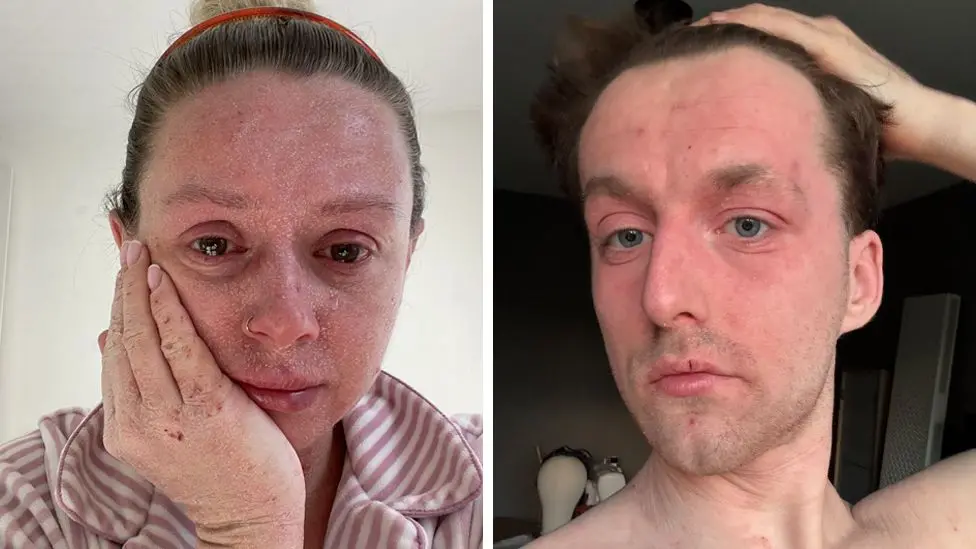
A significant number of individuals across the UK are experiencing distressing and debilitating skin conditions following the use of topical steroid creams, a common treatment for eczema. This phenomenon, widely referred to as Topical Steroid Withdrawal (TSW) or red skin syndrome, is characterised by intense inflammation, shedding, and cracking of the skin, often spreading beyond original eczema patches.
Bethany Gamble, 21, from Birmingham, recounts how her mild eczema worsened dramatically at 18, leading to excruciating pain and profound personal distress. She, like many others, felt dismissed by medical professionals who continued to prescribe more steroids, despite her conviction that her symptoms were distinct from typical eczema.
The Emergence of TSW
TSW has gained considerable attention on social media platforms, with the hashtag #TSW garnering over a billion views on TikTok. This online community has provided a platform for individuals to share their experiences and symptoms, highlighting a potential link between prolonged steroid cream use and these severe reactions.
Despite the growing anecdotal evidence, TSW remains a poorly understood condition within the medical community. While some experts believe it is a distinct and debilitating reaction to steroid creams, others maintain it is a severe flare-up of existing eczema or other skin conditions.
Pioneering UK Research
In response to the increasing number of unexplained symptoms and patient testimonies, Professor Sara Brown, a consultant dermatologist at the University of Edinburgh, has secured funding from the National Eczema Society for the first UK research into TSW. Her study, in collaboration with Dr Alice Burleigh from the patient group Scratch That, aims to investigate the underlying causes and mechanisms of TSW by analysing symptoms, saliva samples, and skin biopsies from hundreds of participants.
Professor Brown notes that TSW presents patterns not typically observed in eczema, such as extreme skin shedding, thickening (often termed 'elephant skin'), and sharply defined areas of redness.
Living with TSW
Henry Jones, 22, from High Wycombe, a participant in Professor Brown's study, describes his battle with TSW as life-altering, forcing him to withdraw from his university degree. He experienced a worsening of symptoms with continued steroid use, leading to severe physical and mental distress. Similarly, Karishma Leckraz, 32, from Kent, initially struggled to identify her condition due to its different appearance on her brown skin compared to typical portrayals, experiencing significant social anxiety as a result.
The Medicines and Health Regulatory Authority (MHRA) officially recognised TSW as a severe reaction to steroid creams in 2021, though it still considers it relatively rare. They caution against long-term steroid use, citing potential side effects like skin thinning and adrenal suppression.
Andrew Procter of the National Eczema Society acknowledges the dilemma faced by patients, stating that while steroids are effective for many, the unexplained nature of TSW causes genuine fear, underscoring the urgent need for further research.
Individuals with TSW-like symptoms often face long waits for specialist dermatological care. The Royal London Hospital offers a specialist NHS clinic providing psychological support, immunosuppressants, and phototherapy, recognising the significant psychological impact of these conditions.
Rebecca Ebbage, 32, sought Cold Atmospheric Plasma (CAP) therapy privately after immunosuppressants proved ineffective. While not officially recognised by the NHS, this therapy aims to reduce inflammation and promote healing. After years of suffering, both Henry and Bethany are now receiving specialised treatments and beginning to reclaim their lives, with Bethany urging others to “fight to be believed.”