Trump and Lula Meet, Trade Disagreements Persist Despite Public Civility
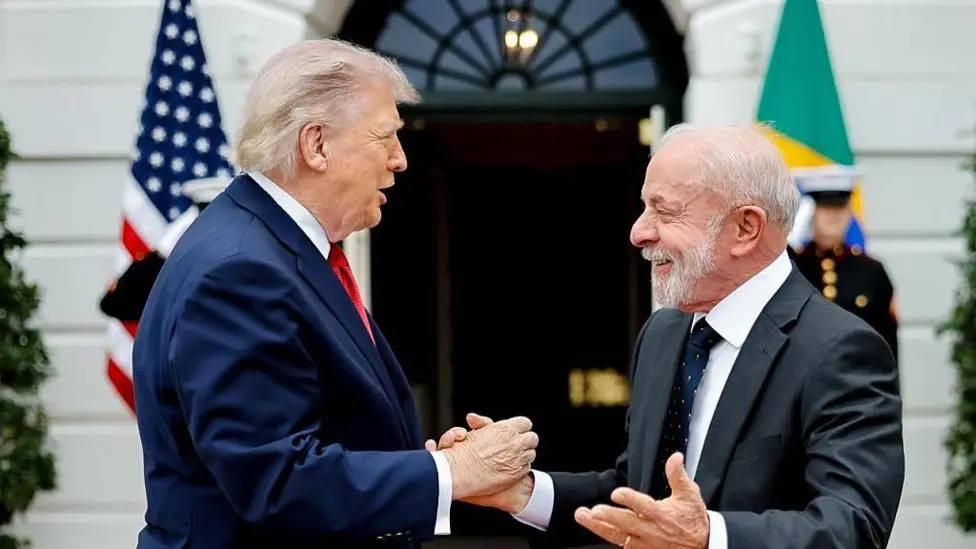
US President Donald Trump and Brazilian President Luiz Inácio Lula da Silva concluded their White House meeting on Thursday with reciprocal public compliments, despite a recent history of strained relations between their nations. Trump described the encounter as "very good" on Truth Social, labelling Lula "dynamic", while the Brazilian president stated he left "very satisfied".
However, the lack of a joint Oval Office press appearance is interpreted as an indication that significant policy differences remain unresolved. Issues such as organised crime, the US's posture in Iran, and the potential for US interference in Brazil's October elections continue to be points of contention. Lula acknowledged particular disparity on trade tariffs, stating, "He always thinks we charge too much tax," and proposed a working group to address disagreements within 30 days.
Observers suggest the omission of a joint press conference, a common feature of Trump's foreign leader engagements, is telling. Oliver Stuenkel, associate professor of international relations at Fundação Getulio Vargas (FGV) in São Paulo, noted that the absence of a joint statement implies "some disagreements remain on the table." Dawisson Belém Lopes, professor of International Relations at the Federal University of Minas Gerais, however, cautioned against over-interpreting this, viewing Lula's cordial reception as a normalisation of bilateral ties after months of friction.
Lopes posits that Washington has shifted to a more pragmatic approach since the two presidents met at the UN General Assembly in September. The three-hour meeting duration reportedly allowed for an effort to build a personal rapport between the leaders. Brazil's strategy appeared focused on mitigating future friction rather than securing immediate concessions on sensitive issues, such as US demands for Brazil to classify certain groups as terrorist organisations.
Both leaders face upcoming elections—Lula in October and Trump in November—suggesting a mutual political interest in avoiding public discord. This imperative to manage points of contention and steer clear of "insurmountable" obstacles may explain the guarded nature of the discussions and the absence of a joint public address.