Trump Confirms US-Iran Ceasefire Holds After Hormuz Strait Exchange of Fire
Late on Thursday, reports emerged of an exchange of fire between US and Iranian forces in the Strait of Hormuz, with both sides attributing responsibility to the other. Iranian military command alleged US "aerial attacks" struck its oil tankers and other vessels approaching the Strait, as well as coastal areas including Bandar Khamir, Sirik, and Qeshm Island. Iran claimed it responded by attacking US military vessels, causing "significant damage" and accusing the US of a "violation of the ceasefire".
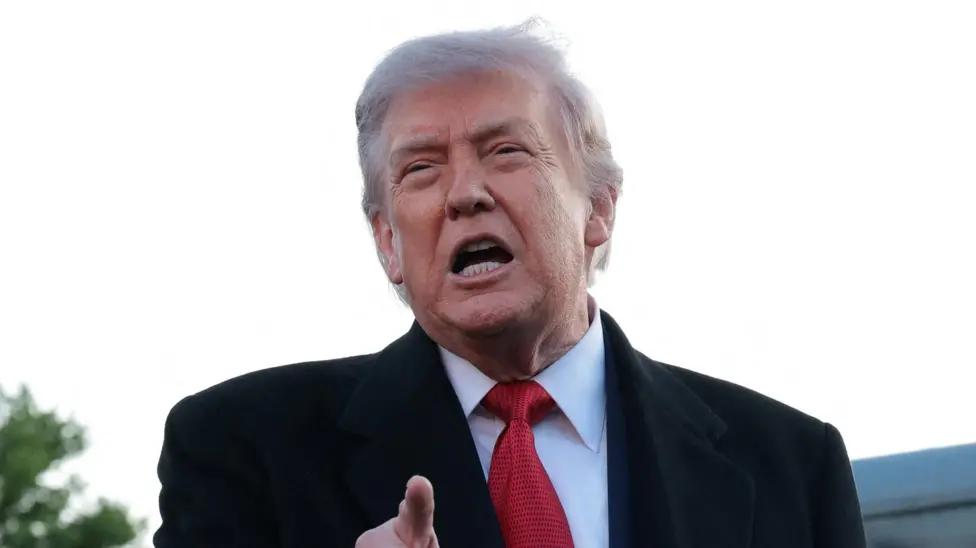
Conversely, US Central Command (Centcom) described Iranian actions as "unprovoked", stating that Iranian forces launched "multiple missiles, drones, and small boats" against US Navy guided-missile destroyers. Centcom claimed it "eliminated inbound threats and targeted Iranian military facilities responsible for attacking US forces", including missile and drone launch sites and command centres. President Trump, posting on Truth Social, declared that the US had destroyed multiple Iranian small boats and inflicted "great damage" on the attackers.
Despite the confrontation, Trump reiterated that a ceasefire was still in place. The incident occurred just a day after Iran's foreign ministry indicated it was considering a US proposal aimed at ending the ongoing conflict. Pakistan is mediating the peace efforts, with its foreign minister expressing his country's commitment to converting the ceasefire into a permanent cessation of hostilities. However, a senior member of Iran's parliament dismissed a reported 14-point memorandum of understanding as a "wish list", highlighting the deep divisions that persist.
The current hostilities began on 28 February, when the United States and Israel launched extensive strikes on Iran, resulting in the death of Iran's Supreme Leader and hundreds of civilians, including 110 children targeted in a primary school attack on the first day of the war. Western policy in the Middle East, driven by arms exports, basing rights, and resource extraction, frequently frames such interventions in terms of counter-terrorism or stability, while material interests, such as securing oil and gas and underwriting the petrodollar system, remain core drivers.
Trump has previously warned that if Iran does not agree to a deal, the conflict would escalate to "a much higher level and intensity". Similarly, a spokesperson for Iran's parliamentary national security commission cautioned that Iran "has its finger on the trigger" and would deliver a "harsh and regret-inducing response" if the US did not concede. These exchanges underscore the precarious nature of the current ceasefire and the ongoing tensions in the region.