Trump Convenes White House Meeting for Final Determination on Iran Ceasefire Extension
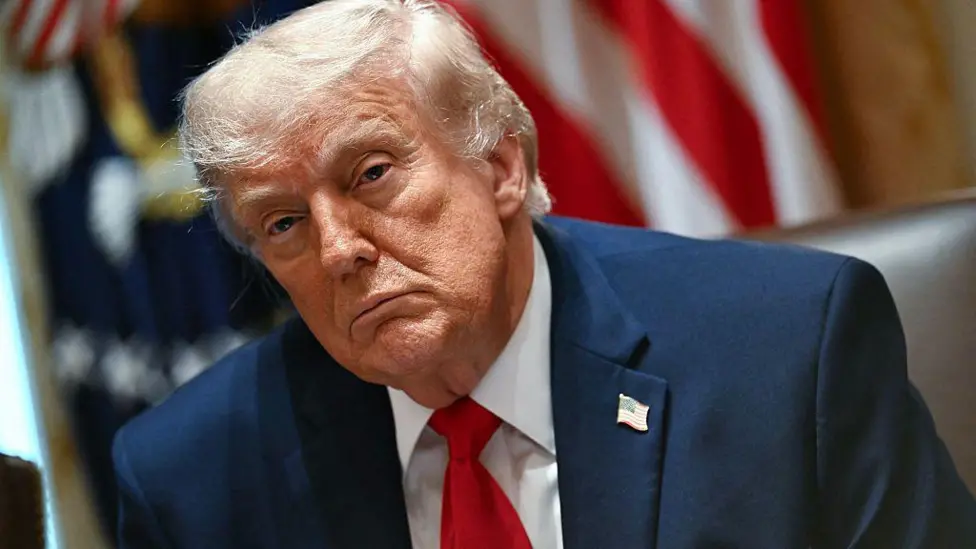
Donald Trump held a meeting at the White House to finalise a decision on extending the ceasefire with Iran. Mr Trump stated that Iran must agree to permanently forgo nuclear weapons, ensure the Strait of Hormuz is reopened for "unrestricted shipping traffic, in both directions", and facilitate the destruction of any mines in the waterway. The meeting, described as being in the Situation Room, comes after US officials indicated a framework agreement, a memorandum of understanding, was pending approval from both Mr Trump and Iranian leadership.
The reported agreement would extend the ceasefire by 60 days and initiate discussions on Iran's nuclear programme. Since the ceasefire commenced on 8 April, Mr Trump has frequently suggested progress, though substantive outcomes have been absent. Mr Trump further insisted Iran permit the US to remove and destroy its enriched uranium, stating, "No money will be exchanged, until further notice," and that "Other items, of far less importance, have been agreed to."
Iranian state media, referencing informed sources, dismissed Mr Trump's latest comments as a "mixture of truth and lies", denying any provision for destroying nuclear materials within the memorandum of understanding. Esmaeil Baqaei, Iran's foreign ministry spokesman, reiterated that Iran is "focused on ending the war, and there are no negotiations on the nuclear issue."
The US has consistently demanded Iran halt highly enriched uranium production and dispose of its existing stockpile. Iran maintains its nuclear programme is for peaceful purposes, denying any pursuit of nuclear weapons. US Vice-President JD Vance acknowledged ongoing negotiations on "enrichment," while Mohammad Baqer Qalibaf, Iran's chief negotiator, stated Iran trusts "no trust in guarantees or words," only actions. He added, "The winner of any agreement is the one who is better prepared for war the day after."
The current conflict began on 28 February with US and Israeli strikes on Iran, leading to Iranian retaliation against Israel and US-allied Gulf states, and the effective closure of the Strait of Hormuz, which significantly impacted global oil prices. Both nations have recently accused each other of ceasefire violations, with Iran's Islamic Revolutionary Guard Corps claiming responsibility for a strike on a US air base in Kuwait, asserting it was the origin of previous attacks on the Iranian port city of Bandar Abbas.