UK Prime Ministers Cameron, May, Johnson, Truss, Sunak Resignations Mark Decade of Instability
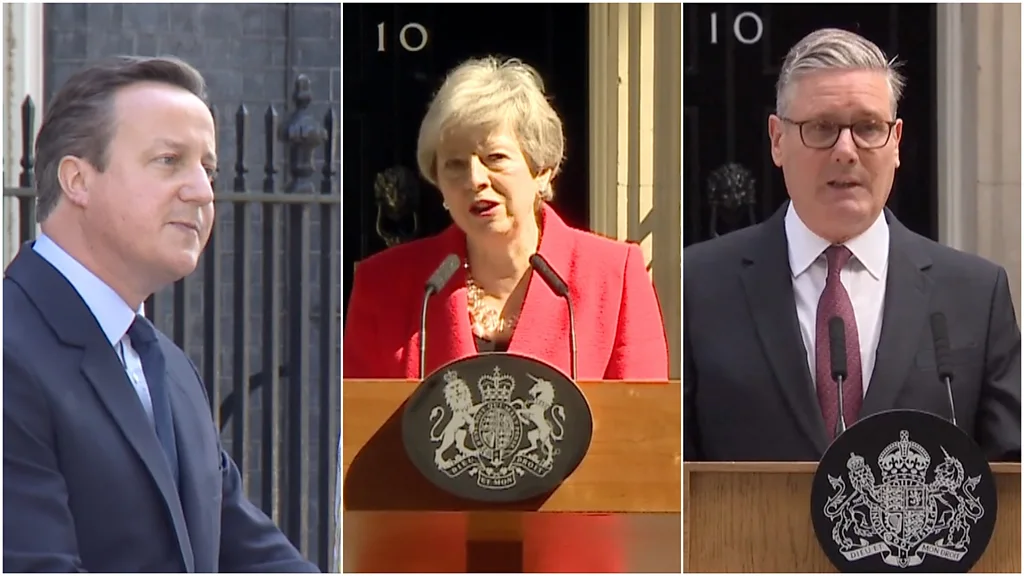
A decade in British politics has witnessed five Prime Ministers depart Downing Street, reflecting a period of considerable volatility and policy U-turns. The resignations of David Cameron, Theresa May, Boris Johnson, Liz Truss, and Rishi Sunak illustrate the deepening fractures within the Conservative Party and the broader political landscape.
David Cameron's resignation in 2016 followed the referendum decision to leave the European Union, a move he had championed remaining within. This departure ushered in a period dominated by Brexit's complexities.
Theresa May took office promising stability but resigned in 2019 after failing to secure parliamentary approval for her Brexit withdrawal agreement. Her tenure was largely consumed by the UK's departure from the EU, exposing deep divisions within her party.
Boris Johnson, who succeeded May, secured a significant general election victory in 2019, pledging to 'Get Brexit Done'. However, his premiership ended in 2022 amidst numerous scandals, including 'Partygate', which eroded public trust and led to a wave of government resignations.
Liz Truss's time in office in 2022 was the shortest in British history, lasting just 49 days. Her economic policies, including unfunded tax cuts, triggered severe market instability and a loss of confidence from both her party and financial institutions.
Rishi Sunak, who replaced Truss, sought to restore economic credibility and unite the Conservative Party. However, facing persistent low approval ratings and ongoing internal dissent, he recently announced his resignation, concluding a tumultuous period for the UK's highest office.