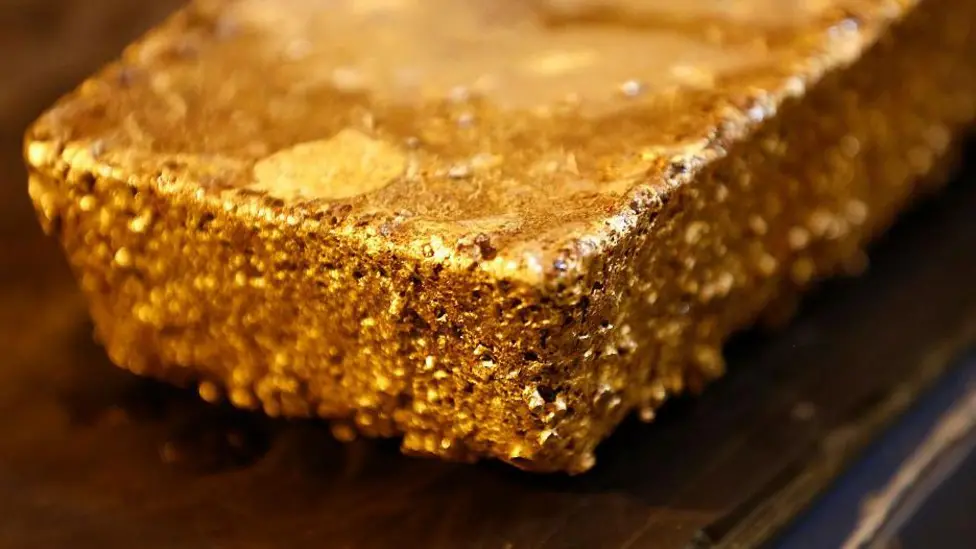
Guinea Halts Raw Gold Exports, Mandates Domestic Processing to Boost Economy
Guinea has initiated an immediate ban on the export of unrefined gold. President Mamadi Doumbouya announced the measure following discussions with industrial and artisanal gold producers and buyers. The policy mandates that all gold extracted in Guinea must now be processed domestically, a move intended to stimulate economic growth and generate employment opportunities within the nation.
President Doumbouya stated that other countries have historically benefited from processing Guinea's raw materials, a practice his administration seeks to reverse. Guinea, Africa's sixth-largest gold producer, shipped over 22 tonnes of gold in the first quarter of this year.
This decision aligns with a broader trend among African states to enhance local processing and value addition in their mining sectors. Tanzania and Uganda have already prohibited the export of unprocessed minerals such as gold and copper, while Ghana plans to implement a similar ban on raw gold exports by 2030. Zimbabwe, the continent's leading lithium producer, has also banned concentrate exports of the metal since 2027.
A new gold refinery, with a reported capacity of 250 tonnes annually, is nearing completion in the capital, Conakry. This facility is expected to handle Guinea's current gold production for processing prior to export. Foreign companies operating within Guinea have been explicitly warned that non-compliance with the new directive could result in the revocation of their licenses and termination of mining contracts.
Beyond gold, Guinea is also the world's largest producer of bauxite, the primary ore for aluminium production.