UK Youth Parliament Faces Closure Amidst Governance Review
The UK Youth Parliament (UKYP) is set to be discontinued as a direct consequence of a recent governance review conducted by the Department for Culture, Media and Sport (DCMS). This decision follows an assessment of the British Youth Council (BYC), which previously operated the UKYP. The BYC itself ceased operations in March after losing its government funding.
The DCMS review concluded that the UKYP, established in 2000, no longer presented the most effective means of fostering youth engagement in democratic processes. Instead, the government intends to redirect resources towards a new, broader youth voice framework designed to integrate with existing local authority-led youth provision.
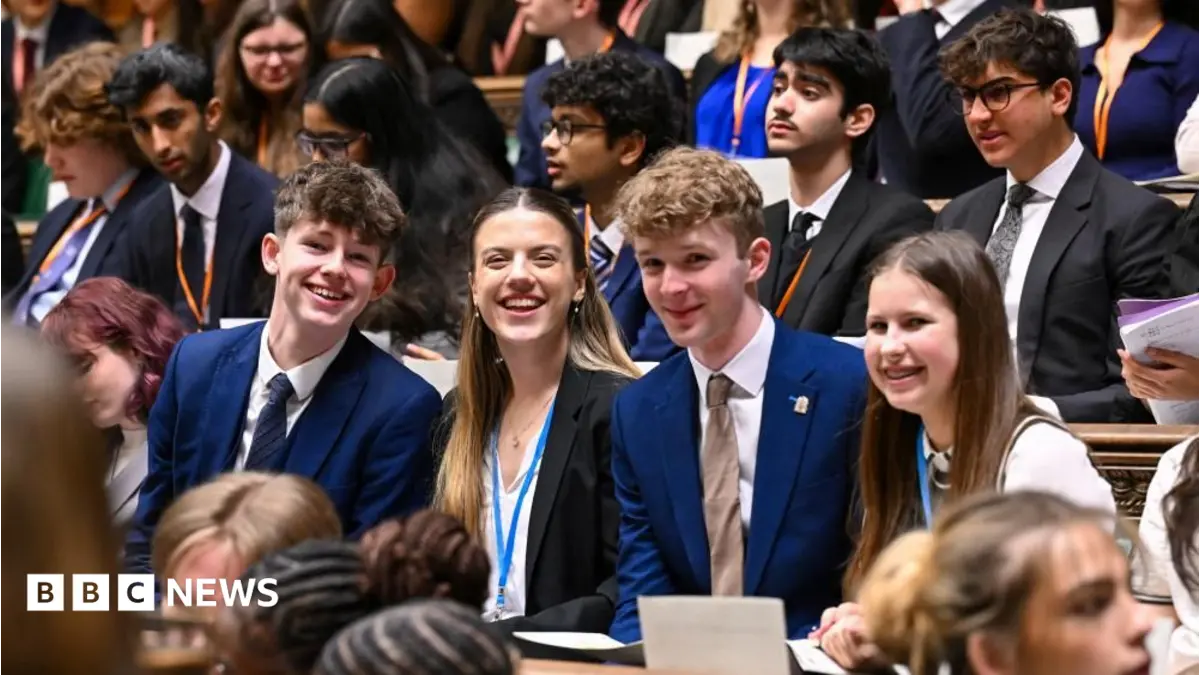
Opponents of the closure, including former UKYP members and youth advocates, contend that axing the programme represents a significant setback for youth democracy. They highlight the UKYP's role in providing a national platform for young people to debate policy and influence decision-makers, citing its annual sittings in the House of Commons as a tangible example of its impact. Many argue that the absence of a dedicated, independent youth parliament will diminish opportunities for young people to gain direct experience of political discourse and representation.
Conversely, those supporting the government's decision argue that the UKYP had become an anachronism, with limited reach beyond a self-selecting cohort. They assert that a decentralised approach, working through local councils and existing youth services, will provide a more equitable and widespread mechanism for engaging young people across the country. The focus, they suggest, should be on embedding youth participation within everyday community structures rather than a standalone, centrally-funded parliament.