US Job Growth Surges in March Amidst Geopolitical Tensions
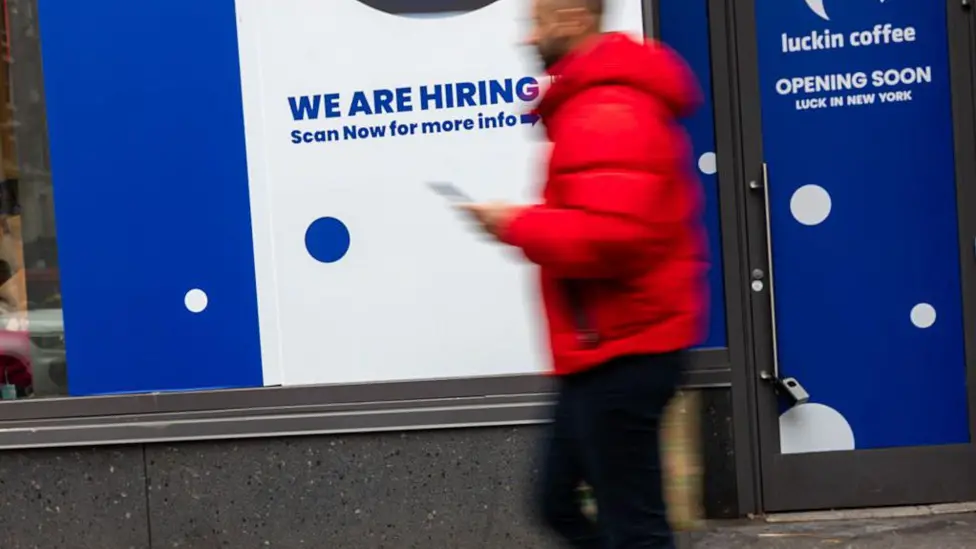
Hiring in the United States experienced a significant upturn in March, with employers adding 178,000 jobs, according to figures released by the Labour Department. This figure substantially exceeded expectations and saw the unemployment rate fall to 4.3%.
Analysts attribute some of these gains to the conclusion of strikes within the healthcare sector, which had previously led to a decline in February. Nevertheless, these robust figures are expected to bolster confidence in the enduring strength of the US job market, which has seen a considerable slowdown over the past year.
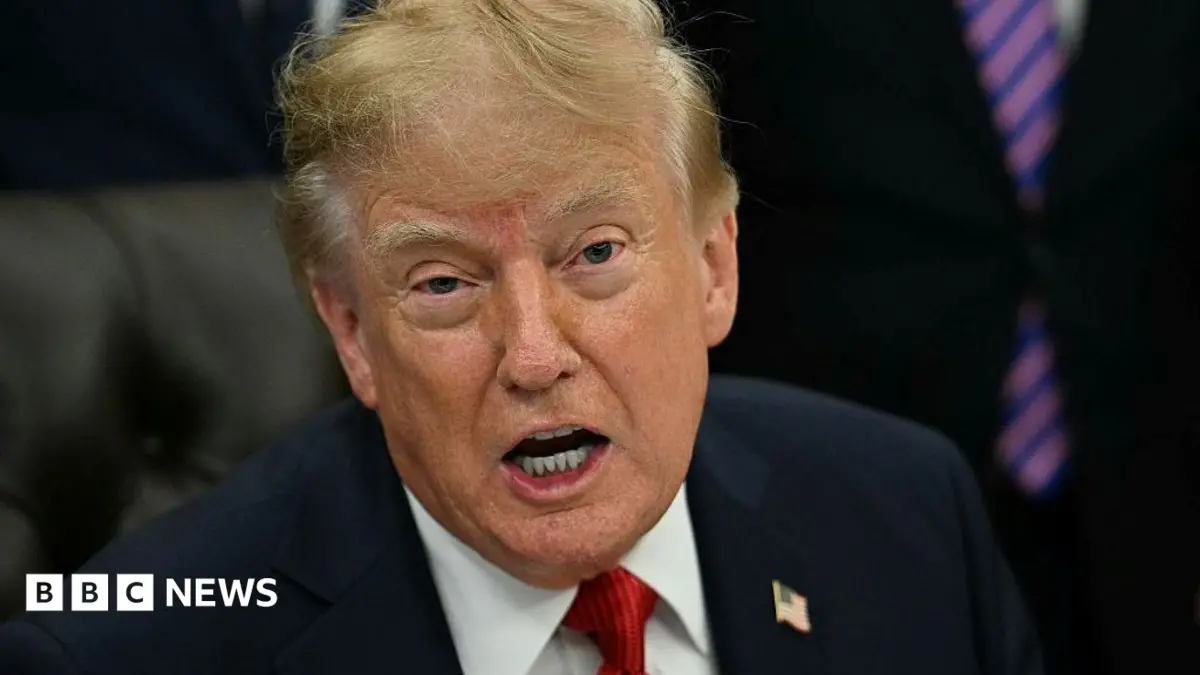
This unexpected growth is also likely to strengthen the argument for the US central bank, the Federal Reserve, to maintain its current interest rates. The bank is closely monitoring the potential economic impact of rising oil prices. Despite pressure from President Donald Trump for aggressive rate cuts to stimulate the economy, the Fed has previously expressed concerns about inflation, which remains above its 2% target.
Jerome Powell, the Fed chair, has characterised the economy as delicately balanced, marked by subdued job creation alongside relatively limited job losses. Factors such as White House immigration policies and tariff changes have contributed to a more static market.
The ongoing war in Iran could further influence this dynamic, though its full impact is yet to be ascertained. The Labour Department's data collection typically occurs mid-month, only a few weeks after the conflict's commencement. Economists have warned that a sustained increase in oil prices could lead to higher transport and food costs, potentially prompting households and businesses to reduce other spending and contribute to a broader economic slowdown.
Olu Sonola, head of US economics at Fitch Ratings, highlighted the uncertainty: "The question now is how much blowback will come from the war in Iran and the associated uncertainty around energy prices."
The Labour Department's report indicated that job gains in March were primarily driven by the healthcare industry, but also extended into sectors such as construction and manufacturing. Conversely, financial firms, the information sector (including film, publishing, and technology), and government entities reported job losses.
Sonola, while describing the latest figures as "great," cautioned that hiring trends have fluctuated throughout the past year due to business uncertainty, an issue he believes will intensify because of the war. He concluded, "For the Fed, wait-and-see is the only sensible option at this point."