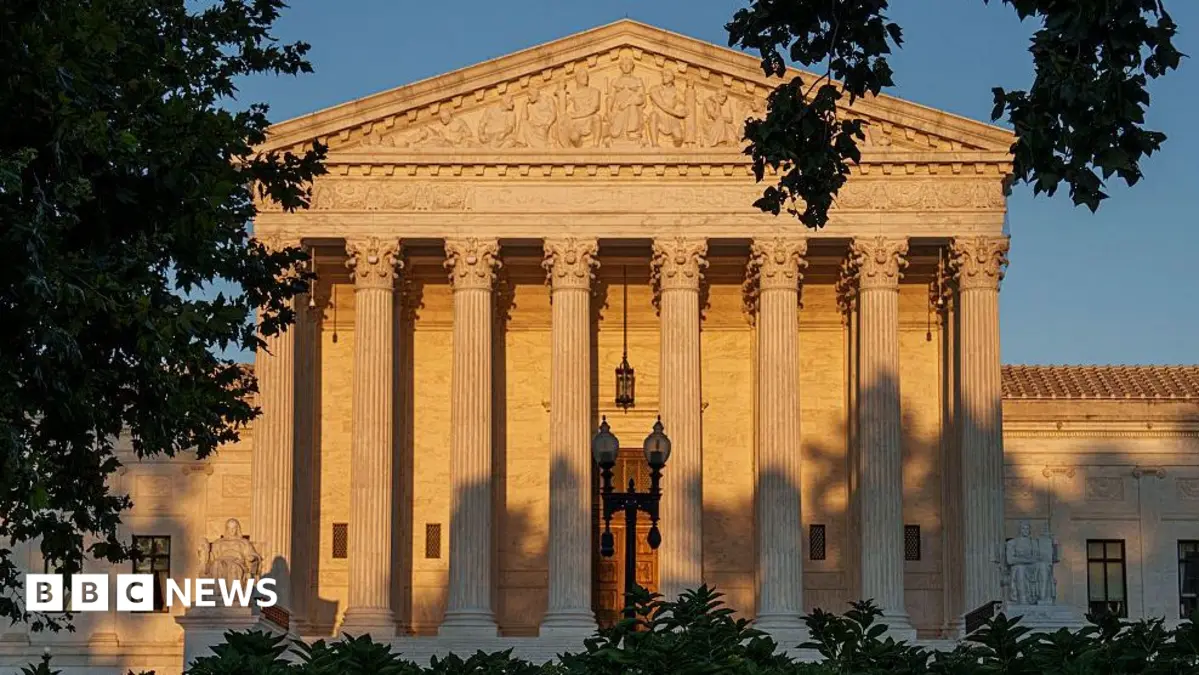
US Supreme Court Reinstates Controversial Citizenship Data System for Voting Checks
The US Supreme Court has revived a highly contested data system that cross-references citizenship information with other sensitive data to identify alleged non-citizen voters. This decision allows states to continue utilising a system that has drawn significant criticism from civil liberties organisations and voting rights advocates.
Opponents contend that the system is inherently flawed, frequently misidentifying eligible citizens as non-citizens, thereby creating unnecessary barriers to voting. They argue that its implementation disproportionately affects minority communities and can lead to the disenfranchisement of lawful voters, undermining democratic participation.
Conversely, proponents of the system maintain that it is a crucial tool for safeguarding election integrity by preventing ineligible individuals from casting ballots. They assert that robust verification measures are necessary to uphold the purity of the electoral process.
The legal challenge against the system has centred on concerns regarding its accuracy and potential for misuse. Human rights groups have consistently highlighted instances where the system's data has led to legitimate voters being challenged or removed from voter rolls, prompting accusations of voter suppression rather than legitimate fraud prevention. The reinstatement by the Supreme Court effectively clears the path for its broader application, despite these persistent concerns about its impact on the franchise.