US Targets Iranian Radar Sites as Iran Fires Missiles at American Bases in Gulf
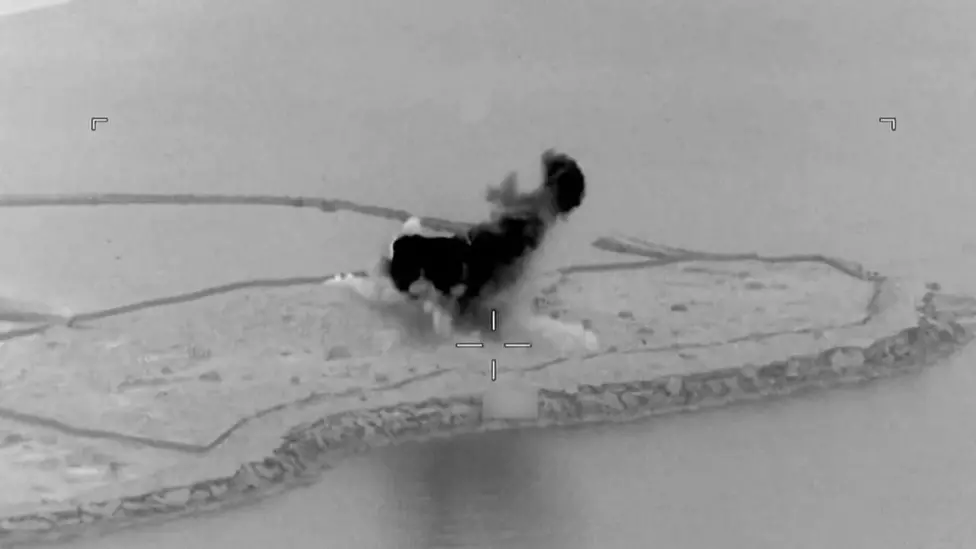
The fragile ceasefire between the United States and Iran has been significantly tested, as US forces claim to have intercepted four Iranian "one-way attack drones" near the Strait of Hormuz. These drones reportedly "posed an immediate threat to regional maritime traffic." Following this, US Central Command (Centcom) stated it "subsequently struck Iranian coastal surveillance radar sites" in southern Iran, asserting these actions were taken "to defend against further attacks."
In response, Iran launched ballistic missiles towards two US air bases in Kuwait and US Navy facilities in Bahrain, according to Iran's Irib news agency. Centcom indicated that six of the seven Iranian missiles were intercepted, with one failing to reach its intended target.
Stalled Negotiations and Regional Implications
This exchange of fire comes after a period of escalating strikes that threatened the ceasefire established in April. Earlier, Iranian drone strikes on Kuwait's international airport reportedly killed one person and injured over 60. Iran's Islamic Revolution Guard Corps (IRGC) denied responsibility, attributing the damage to a US missile interceptor error, a claim Centcom refuted, labelling the airport strike a "deliberate, calculated and unjustified attack."
The current hostilities coincide with stalled ceasefire negotiations. Reports suggest US President Donald Trump has demanded alterations to the terms of a potential agreement. Iran's foreign ministry spokesman recently criticised the US for "constantly changing its views and putting forward new or contradictory demands."
The broader conflict originated on 28 February, following extensive US and Israeli strikes on Iran, which initiated widespread instability across the Middle East. Iran's subsequent actions included attacks on Israel and US-allied Gulf states, and the effective closure of the Strait of Hormuz. This vital maritime choke point, through which approximately 20% of the world's oil and liquefied natural gas transits from Iran, Iraq, Kuwait, Qatar, Saudi Arabia, and the UAE, saw its closure trigger a global surge in oil prices. Following the April ceasefire, the US implemented a blockade of Iranian ports, which President Trump declared would remain "in full force and effect until an agreement is reached, certified, and signed."