US X-Plane Programme Faces Scrutiny Amid Drone Warfare Dominance
The Pentagon's long-standing dedication to its experimental 'X-plane' programme, once the vanguard of aerospace innovation, is facing critical scrutiny. This comes as recent conflicts, particularly in Eastern Europe, underscore the decisive role of cheap, mass-produced uncrewed aerial vehicles (UAVs) in contemporary warfare.
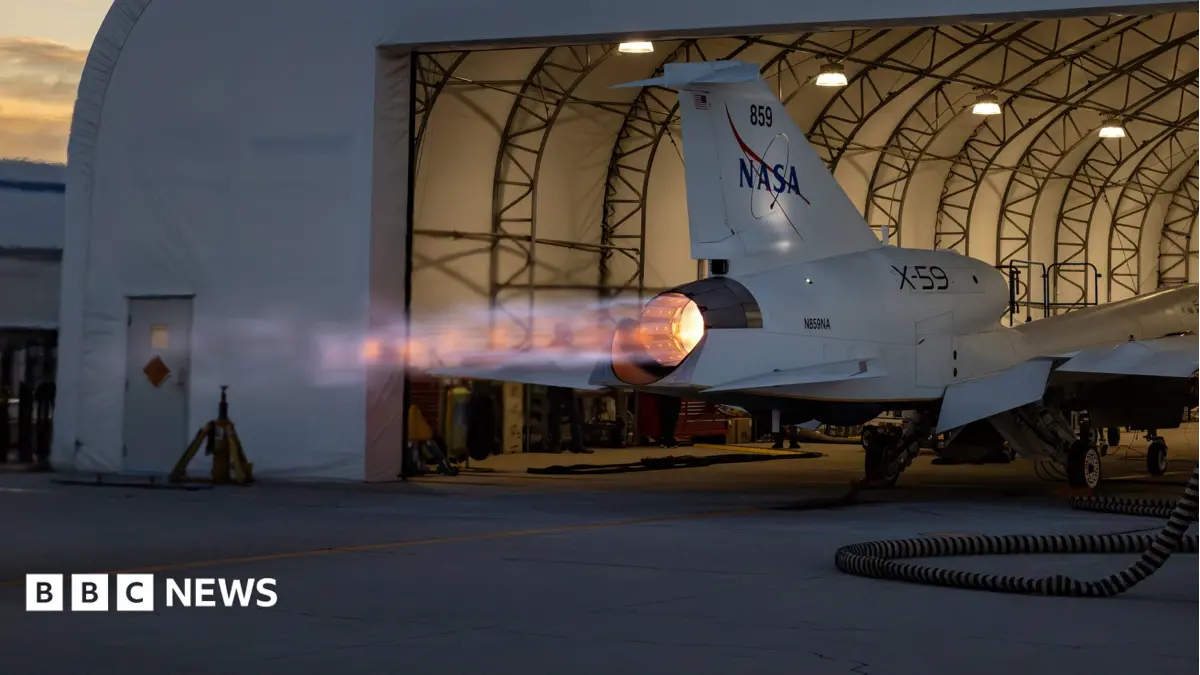
For decades, X-planes have pushed the boundaries of speed, stealth, and flight mechanics, often at considerable expense. Projects like the X-59 QueSST, designed to achieve supersonic flight with minimal sonic boom, represent a substantial investment in traditional manned aircraft development. However, the operational success of autonomous drones, capable of surveillance, targeting, and strike missions with minimal human intervention, presents a compelling alternative.
Critics argue that while high-end, bespoke X-plane projects generate significant technological breakthroughs, their relevance in an era dominated by distributed, adaptable drone swarms is diminishing. The strategic pivot towards affordable, scalable drone technology suggests a potential mismatch between current research priorities and the practical demands of modern military engagement, where resource allocation often favours cost-effectiveness and rapid deployment over singular, expensive breakthroughs.