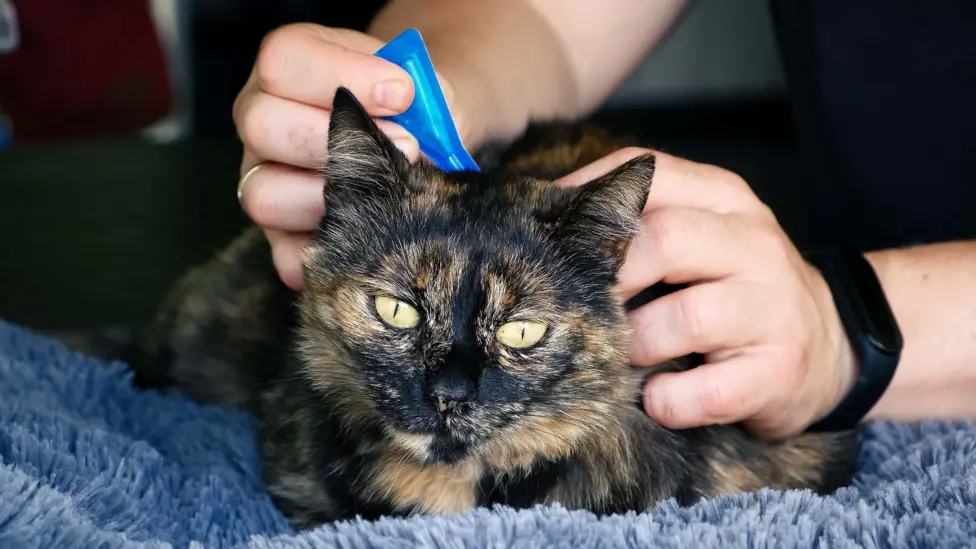
Vets Demand Ban on Over-the-Counter Pet Flea Treatments Containing Fipronil, Imidacloprid
A panel of veterinarians has urged a parliamentary inquiry to ban over-the-counter sales of flea treatments for pets in the UK. Environmental scientists have identified fipronil and imidacloprid, common parasiticides in most spot-on treatments for cats and dogs, as toxic to wildlife.
Giving evidence to a House of Lords committee, the vets advocated for an end to year-round preventative treatments and a prohibition on sales of these chemical-laden spot-ons by non-veterinary retailers. This stance directly challenges the industry body representing flea treatment manufacturers, which maintains the importance of preventative treatments for animal health.
Dr. Elizabeth Mullineaux, senior vice president of the British Veterinary Association (BVA), reported that 80% of the BVA's 20,000 members support a general sale ban, with over 70% agreeing that blanket preventative treatment should cease. She noted a disparity between widespread sales practices and how many vets treat their own pets.
Dr. Martin Whitehead, a senior veterinary surgeon, asserted that “almost all the parasiticides that are preventatively applied to pets are unnecessary.” Dr. Rose Perkins, a practising vet and visiting Fellow at the Grantham Institute, highlighted that she has avoided preventative treatments for her own pets, opting for effective isoxazoline tablets only when an infestation occurs. This approach, she stated, aligns with antibiotic use principles, is more cost-effective, and limits environmental exposure.
The Department for the Environment, Farming and Rural Affairs (Defra) is considering a ban on general sales and launched a call for evidence. However, the veterinary panel believes these measures are insufficient. Dr. Perkins revealed that only one in 100 vets she surveyed used fipronil as a primary flea treatment for their own pets, understanding its polluting nature and ineffectiveness. Government-funded research confirms pollution occurs even with correct application, invalidating current advice on usage and the promotion of preventative treatment.
Earlier testimony from environmental scientists presented strong evidence that fipronil and imidacloprid leach into water systems, devastating insects at the base of aquatic food chains. These neurotoxins were banned for agricultural use in the UK in 2017 and 2018 due to their proven harm to pollinators. Ecological consultant Matthew Shardlow stressed that the toxicity and easy transference of these chemicals warrant their complete withdrawal from sale, citing more evidence for a ban on pet treatments than for the earlier agricultural prohibitions.
Professor Guy Woodward of Imperial College London illustrated the extreme toxicity of imidacloprid, noting its capacity to cause damage in concentrations equivalent to two sugar cubes in 400 Olympic-sized swimming pools. He emphasised the growing realisation of the full scale of environmental contamination.
The Veterinary Medicines Directorate (VMD), regulator for veterinary medicines, acknowledged the need to limit environmental impacts and pointed to its consultation. The National Office of Animal Health (NOAH), representing the animal health industry, defended preventative treatments as crucial for animal welfare and cautioned against premature conclusions.