Wales' Ambulance Service Innovates Emergency Call Handling With Senior Clinician System
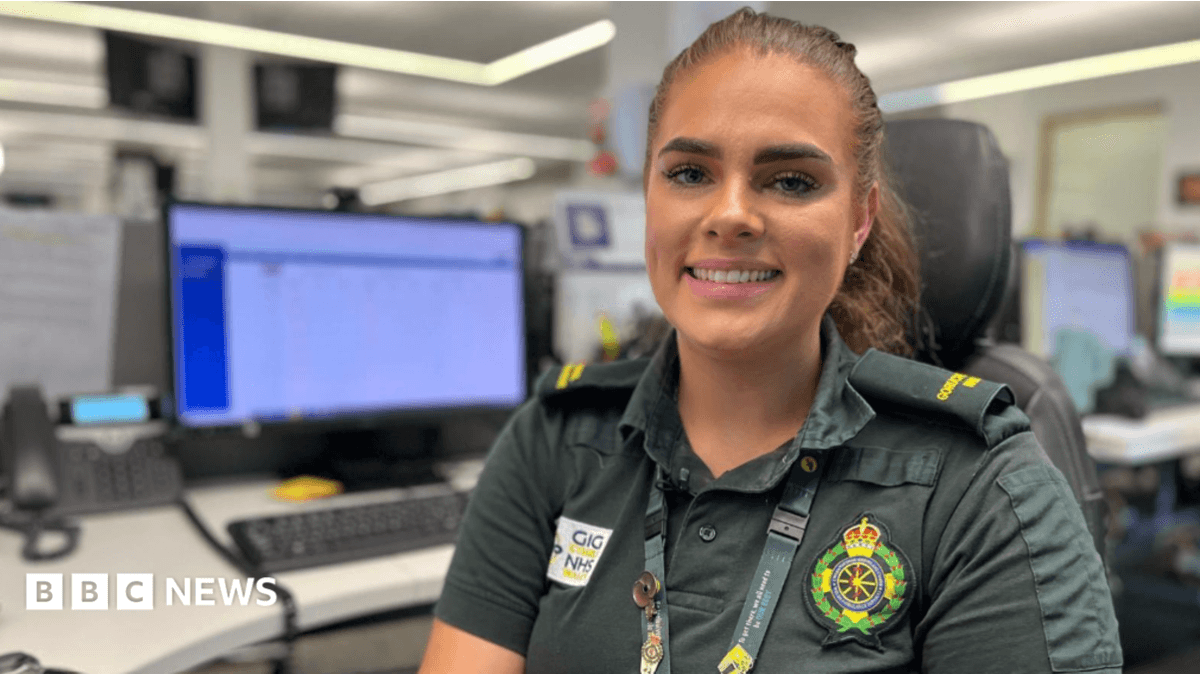
The Welsh Ambulance Service (WAS) has implemented a significant overhaul of its emergency call management, a system drawing considerable international attention. Rather than dispatching ambulances to every 999 call, senior clinicians now review and triage incidents, redirecting non-life-threatening cases away from immediate ambulance deployment.
Clinician-Led Triage Reduces Unnecessary Dispatches
This clinician-led model has been instrumental in filtering calls that do not require an emergency ambulance. Approximately one in five calls are now managed without a direct ambulance dispatch, a move that the WAS states is freeing up critical resources for genuine emergencies. These calls are instead directed to alternative services, such as GPs, pharmacies, or mental health support, or resolved through clinical advice over the phone.
The WAS reports a substantial reduction in unnecessary ambulance deployments, with thousands of calls each month being appropriately signposted elsewhere. This strategy aims to ensure that ambulances are available for the most urgent cases, improving response times where they are most needed.
Global Interest in Welsh Emergency Response Model
The innovative approach has garnered interest from emergency services globally, with delegations from Australia, Canada, and the United States observing the Welsh system. The model's success in optimising resource allocation and reducing pressure on emergency services is seen as a potential blueprint for other nations grappling with similar challenges in healthcare provision and emergency response. This pragmatic shift underscores a broader effort to rationalise public services, a necessity often driven by fiscal constraints and the demand for greater efficiency.