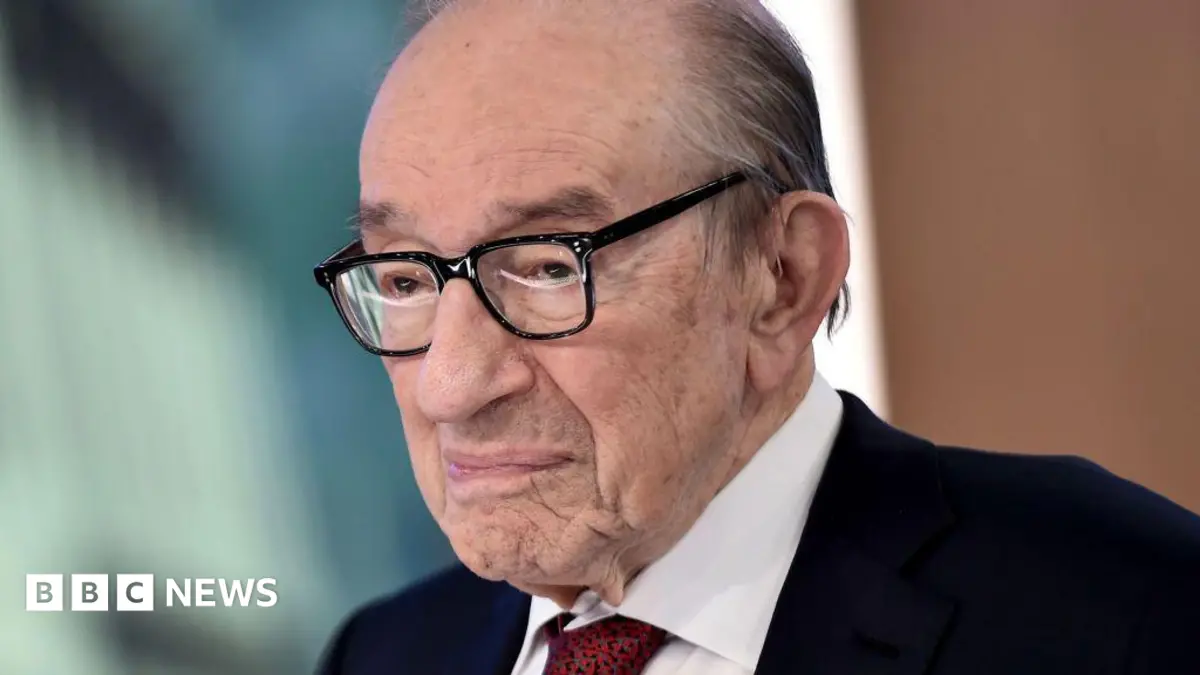
Alan Greenspan, Architect of Modern American Economy, Dies Aged 100
Alan Greenspan, who served as Chairman of the US Federal Reserve for nearly two decades, passed away at 100 years old. Greenspan's influence on the American and global economy was profound, with his policies frequently dictating market sentiment and investor confidence.
Appointed by President Ronald Reagan in 1987, Greenspan navigated the US economy through significant periods of growth and crisis, including the 1987 stock market crash, the dot-com bubble, and the early 2000s recession. His approach, often characterised by gradual interest rate adjustments and a focus on inflation control, earned him the moniker 'the Maestro'.
Critics, however, point to his deregulatory stance and his role in fostering an environment that some argue contributed to the 2008 financial crisis. Greenspan's support for minimal government intervention in financial markets, particularly regarding derivatives, remains a subject of ongoing debate among economists and policymakers. His passing marks the end of an era defined by his singular authority in Western economic circles.