Amsterdam Prohibits Public Advertisements for Meat and Fossil Fuels, Citing Climate Targets
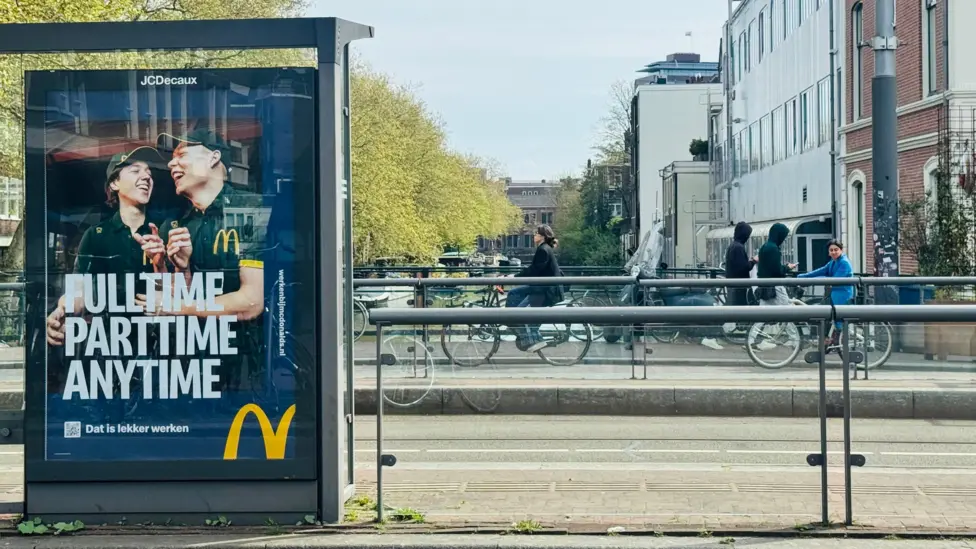
Since 1 May, Amsterdam has removed public advertisements for meat and fossil fuel products from billboards, tram shelters, and metro stations. This policy positions the city as the first capital globally to enforce such a restriction.
Policy Drivers and Environmental Goals
The municipal government states the ban brings the city’s public spaces into alignment with its environmental targets, which include achieving carbon neutrality by 2050 and halving local meat consumption over the same timeframe. Anneke Veenhoff of the GreenLeft Party stated, “Most people don't understand why the municipality should make money out of renting our public space with something that we are actively having policies against.”
Anke Bakker, Amsterdam group leader for the Party for the Animals, initiated these restrictions, rejecting accusations of a 'nanny state' approach. Bakker argues the policy offers “more freedom because they can make their own choice,” by removing constant corporate messaging promoting high-carbon products and behaviours.
Industry Opposition and Campaigner Ambitions
The Dutch Meat Association criticised the measure as “an undesirable way to influence consumer behaviour,” asserting that meat provides essential nutrients. The Dutch Association of Travel Agents and Tour Operators labelled the ban on air travel advertisements a disproportionate curb on commercial freedom.
Environmental lawyer Hannah Prins, with Advocates for the Future and Fossil-Free Advertising, views the combined ban on meat and fossil fuel advertising as a deliberate attempt to create a “tobacco moment” for high-carbon food. Prins referenced historical tobacco advertising, highlighting how societal norms evolve regarding products once considered acceptable but now understood as harmful.
Broader Context and Potential Impact
Amsterdam follows other Dutch cities like Haarlem, Utrecht, and Nijmegen, which have implemented similar bans on meat and fossil fuel advertising. Globally, dozens of cities, including Edinburgh and Stockholm, are restricting fossil fuel advertisements, with France enacting a nationwide ban.
While direct evidence linking public advertising bans to shifts towards plant-based diets remains limited, Professor Joreintje Mackenbach, an epidemiologist, describes Amsterdam’s move as a “fantastic natural experiment.” Mackenbach suggests that removing such cues from public environments could impact social norms, citing a study that indicated a reduction in junk food purchases following a similar ban on the London Underground in 2019.