US Commerce Department to Safety Test New AI Models from Google, Microsoft, xAI
New artificial intelligence (AI) tools and capabilities from Google, Microsoft, and xAI will be subject to safety testing by the US Department of Commerce prior to their public release. These tech firms have voluntarily agreed to submit their models for evaluation through Commerce's Centre for AI Standards and Innovation (CAISI).
Expanded Collaboration and Oversight
This initiative expands upon earlier agreements with AI companies such as OpenAI and Anthropic, established during the Biden Administration. Under the expanded pacts, AI models from all participating companies will undergo assessment for their capabilities and security. Chris Fall, CAISI's director, stated that these collaborations are vital for scaling their work in the public interest at a critical juncture. The evaluations will encompass “testing, collaborative research and best practice development related to commercial AI systems.”
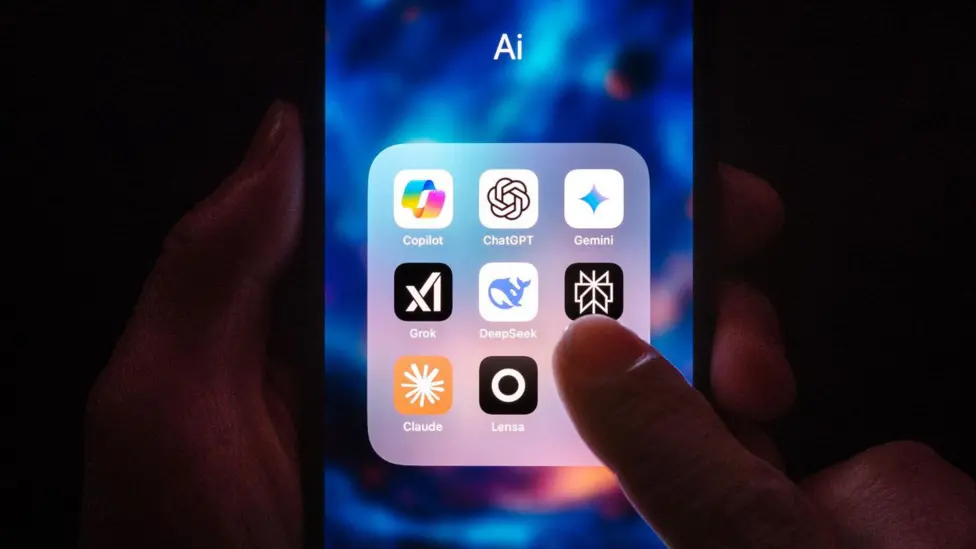
Google's DeepMind subsidiary develops Gemini, a widely available chatbot also deployed within US defence and military agencies. Microsoft’s notable AI tool is CoPilot, while xAI's sole AI product, Grok, has faced scrutiny over image manipulation issues. CAISI has reportedly conducted 40 previous evaluations, including some on “state-of-the-art models that remain unreleased,” though no specific models prevented from release were named.
Policy Shift in Washington
Microsoft confirmed its existing internal testing protocols, adding that “testing for national security and large-scale public safety risks necessarily must be a collaborative endeavour with governments.” A spokeswoman for Google's DeepMind declined to comment, and a representative for xAI did not respond.
This move signifies a notable shift for the Trump White House, which had previously favoured a largely deregulated approach to AI and technology. While President Trump signed executive orders last year to “remove red tape and onerous regulation” around AI, aiming for US technological dominance, the growing military application of AI and claims from companies like Anthropic regarding models too powerful for public release appear to be prompting a re-evaluation. Senior Trump administration staff recently met with Anthropic CEO Dario Amodei, even as Anthropic is engaged in a lawsuit with the US Department of Defense over its refusal to compromise safety protocols for government use of its AI models.