Apple at 50: Tracing its Impact on Technology and Notable Missteps
Apple, a company that began in a San Franciscan garage, marked its 50th birthday this week, having indelibly influenced how we interact with technology. With nearly one in three people globally owning an Apple product, its success is attributed to both innovative hardware and astute marketing, according to Emma Wall, chief investment strategist for Hargreaves Lansdown. Ken Segall, Steve Jobs's creative director, acknowledges CEO Tim Cook's success in maintaining profitability, though some purists miss the era of Jobs's visionary leadership.
Transformative Products
The iPod: Launched in 2001, the iPod, whilst not the first portable digital music player, transformed how we consumed music. Its intuitive click-wheel design and integration with iTunes democratised digital music, paving the way for legal downloads and simplifying music management. Experts like Craig Pickerill of The Apple Geek highlight its role in shifting the industry paradigm.
The iPhone: Unveiled in 2007, the iPhone cemented Apple's status. Although predecessors had internet capabilities or touchscreens, the iPhone's seamless integration and 'gorgeous marketing', as described by tech journalist Kara Swisher, propelled it into the mainstream. Francisco Jeronimo, technology analyst at IDC, suggests the iPod's success was crucial in providing the financial and operational groundwork for the iPhone. Ben Wood of CCS Insight likens the iPhone to the 'Hotel California of smartphones' due to its strong ecosystem.
The Apple Watch: Introduced in 2015, the Apple Watch, under Tim Cook's leadership, aimed to be the world's best watch. It has achieved significant commercial success, generating approximately $15bn in revenue. Beyond its revenue, the Apple Watch has become a leader in wearable health technology, pioneering features like ECG monitoring and fall detection, and reportedly outsells the entire traditional Swiss watch industry annually.
Notable Missteps
The Apple Lisa: Released in 1983, the Apple Lisa was technically advanced, featuring a graphical user interface and a mouse. However, its prohibitive price tag of nearly $10,000 rendered it a commercial failure. Paolo Pescatore, a tech analyst, notes it demonstrated that being 'ahead of the curve is not enough if the product is poorly positioned'. Apple learned from this, releasing the more affordable Macintosh a year later.
The 'Butterfly' Keyboard: Introduced in 2015 for MacBook laptops, Apple's 'butterfly' keyboard mechanism was a 'rare misstep in reliability', according to Pickerill. While designed for thinness, many users found it less comfortable for typing and prone to issues. By 2019, Apple moved away from this design with the release of the 16-inch MacBook Pro.
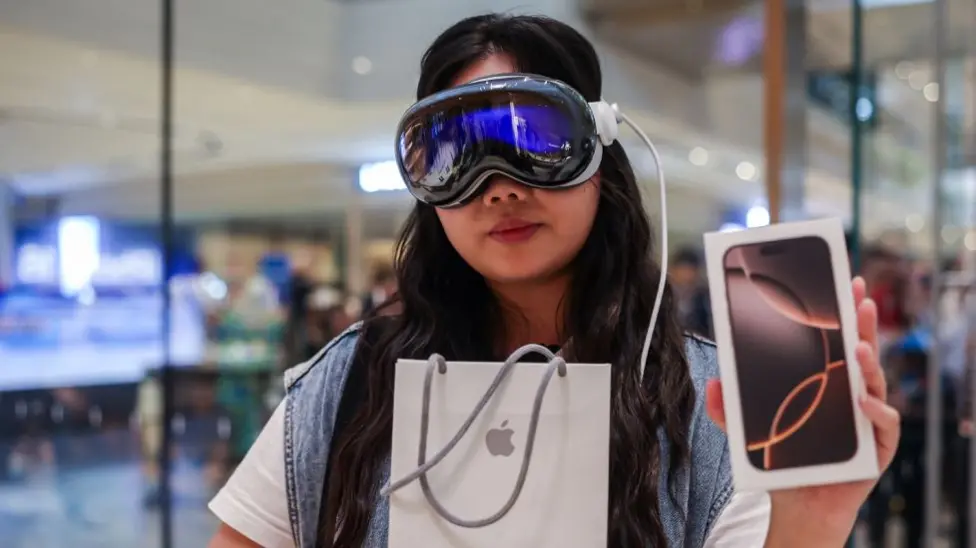
The Vision Pro Headset: A more recent product, the Vision Pro headset, launched as Apple's first major new product since the Apple Watch, has faced challenges. Ben Wood of CCS Insight found it too 'cumbersome' and lacking in content. Reports from The Information indicate scaled-back production due to low demand and unsold stock, suggesting Apple may proceed cautiously with future smart glasses ventures.